

Culture shock is a common experience for travelers venturing into unfamiliar territories. It often manifests as a sense of disorientation or confusion when confronted with new customs, languages, and social norms. This phenomenon can occur in various stages, beginning with the initial excitement of exploring a new environment, followed by feelings of frustration or anxiety as one grapples with the differences.
For instance, a traveler arriving in Japan may be captivated by the beauty of cherry blossoms and the efficiency of public transport, only to feel overwhelmed by the intricacies of bowing etiquette and the subtleties of non-verbal communication. Understanding that culture shock is a natural part of the travel experience can help mitigate its effects. Travelers should prepare themselves for the emotional rollercoaster that often accompanies immersion in a new culture.
By acknowledging that feelings of discomfort are normal, individuals can approach their experiences with an open mind and a willingness to learn. This mindset not only fosters resilience but also enhances the overall travel experience, allowing for deeper connections with the local culture.
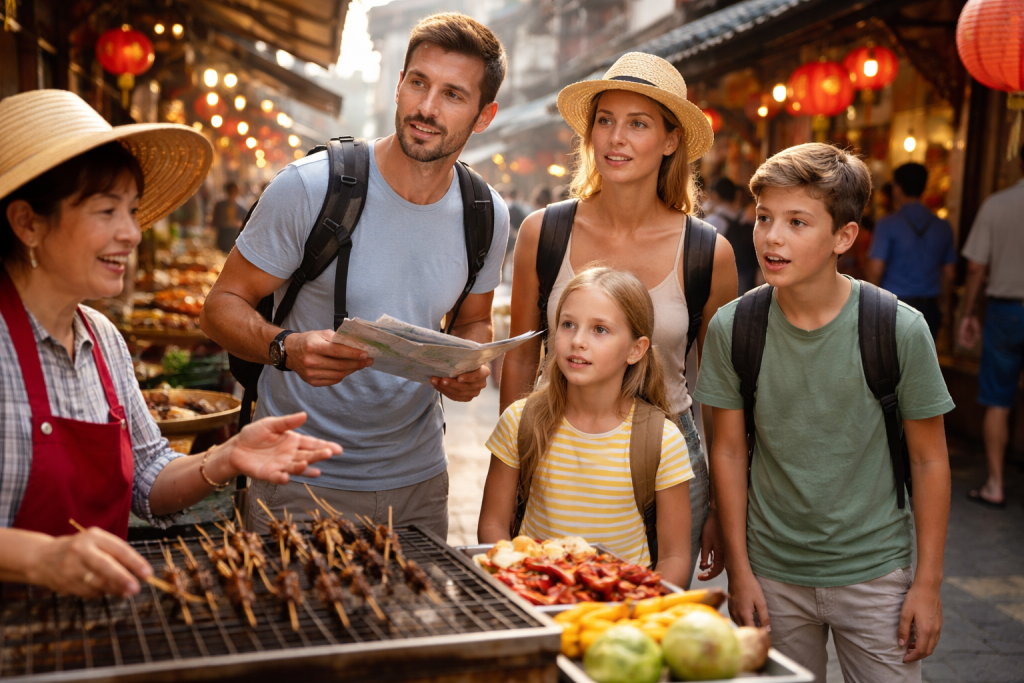
Key Takeaways
- Embrace the unknown: Stay open-minded and curious when encountering new cultures and traditions while traveling.
- Understand cultural shocks: Be prepared for differences in customs, traditions, and social norms when visiting a new place.
- Importance of cultural sensitivity: Respect and navigate unfamiliar customs and traditions with an open and understanding mindset.
- Overcome language barriers: Use non-verbal communication, learn basic phrases, and be patient when communicating in a foreign country.
- Adapt to new environments: Embrace and respect different social norms and etiquette while traveling to new places.
The Importance of Cultural Sensitivity: Navigating Unfamiliar Customs and Traditions
Cultural sensitivity is crucial for travelers seeking to navigate unfamiliar customs and traditions respectfully. It involves recognizing and appreciating the values, beliefs, and practices of another culture, which can significantly enhance interactions with locals. For example, in many Middle Eastern countries, it is customary to greet others with a handshake or a kiss on the cheek, while in some Asian cultures, bowing is the preferred form of greeting.
Understanding these nuances can prevent unintentional offenses and foster goodwill. Moreover, cultural sensitivity extends beyond mere etiquette; it encompasses an awareness of historical contexts and social dynamics that shape a community’s identity. For instance, when visiting Indigenous communities in North America, it is essential to approach their traditions with respect and humility, acknowledging their historical struggles and contemporary challenges.
By engaging with local customs thoughtfully, travelers can contribute positively to their experiences and promote mutual understanding.
Overcoming Language Barriers: Tips for Effective Communication in a Foreign Country
Language barriers can make life difficult for travelers, often leading to misunderstandings or feelings of isolation. However, effective communication is possible even when language differences exist. One practical approach is to learn basic phrases in the local language, such as greetings, thank you, and simple questions.
This effort demonstrates respect for the local culture and opens doors to more meaningful interactions. For instance, a traveler in France who attempts to speak French, even imperfectly, is likely to receive a warmer response from locals than someone who relies solely on English. In addition to learning key phrases, utilizing technology can greatly enhance communication efforts.
Language translation apps have become increasingly sophisticated, allowing travelers to translate text or speech in real time. These tools can be invaluable when navigating menus, asking for directions, or engaging in conversations. However, it is essential to remember that non-verbal communication—such as gestures, facial expressions, and body language—also plays a significant role in conveying messages across language barriers.
Adapting to New Environments: Embracing Different Social Norms and Etiquette
| Country | Social Norms | Etiquette |
|---|---|---|
| Japan | Removing shoes before entering a home | Bowing as a form of greeting |
| India | Using right hand for eating and left hand for personal hygiene | Touching feet of elders as a sign of respect |
| France | Kissing on the cheeks as a greeting | Using formal titles when addressing others |
Adapting to new environments requires an openness to embracing different social norms and etiquette. Each culture has its own set of unwritten rules that govern behavior, from dining customs to personal space preferences. For example, in many Latin American countries, it is common for people to stand close together during conversations, while in Northern European cultures, maintaining personal space is often preferred.
Understanding these differences can help travelers navigate social interactions more comfortably. Moreover, adapting to new environments involves being observant and flexible. Travelers should learn appropriate behavior from locals in various situations.
For instance, attending a traditional ceremony in Bali can provide valuable insights into how locals dress and behave, revealing expected conduct. By being adaptable and respectful of local customs, travelers can foster positive relationships and enrich their travel experiences.
Coping with Food and Dietary Differences: Exploring Local Cuisine and Eating Habits
Food is an integral part of any culture, and exploring local cuisine can be one of the most rewarding aspects of travel. However, dietary differences may pose challenges for some travelers, particularly those with specific dietary restrictions or preferences. It is essential to approach local food customs with an open mind while also being mindful of personal health needs.
For example, a vegetarian traveling in India may find an abundance of delicious plant-based dishes but should also inquire about hidden ingredients like ghee or fish sauce. Engaging with local cuisine also provides an opportunity to learn about cultural practices surrounding food. In many cultures, meals are communal experiences that emphasize sharing and connection.
For instance, in Ethiopia, dining often involves eating from a shared platter using injera (a type of flatbread) as both a utensil and a staple food. Embracing these culinary traditions enhances the travel experience and fosters a deeper appreciation for the culture being explored. Food is a vital part of culture, and trying local dishes is one of the best parts of traveling.
Managing Emotional Responses: Dealing with Homesickness and Loneliness Abroad
Traveling abroad can evoke a range of emotional responses, including homesickness and loneliness. These feelings are particularly common during extended trips or when travelers find themselves in unfamiliar settings without familiar support systems. Acknowledging these emotions is the first step toward managing them effectively.
It is important for travelers to recognize that feeling homesick does not diminish their adventurous spirit; rather, it reflects their human need for connection and comfort. To cope with homesickness, travelers can establish routines that provide a sense of stability amidst change. This might include setting aside time for daily journaling or maintaining regular communication with friends and family back home through video calls or social media.
Additionally, seeking local communities or fellow travelers can help alleviate feelings of loneliness. Engaging in group activities or joining local tours can foster connections with others who share similar interests and experiences.
Embracing Diversity: Celebrating the Beauty of Different Cultures and Perspectives
Traveling offers a unique opportunity to embrace diversity and celebrate the beauty of different cultures and perspectives. Each destination presents its own rich tapestry of traditions, art forms, languages, and worldviews that contribute to the global mosaic of humanity. By immersing themselves in diverse cultures, travelers can learn valuable lessons about alternative ways of living and thinking.
For instance, travelers can appreciate the vibrancy and uniqueness of each culture by attending a traditional dance performance in Bali or participating in a local festival in Brazil. Moreover, embracing diversity fosters empathy and understanding among individuals from different backgrounds. Engaging with locals through conversations about their customs and beliefs can challenge preconceived notions and broaden one’s worldview.
This exchange of ideas not only enriches the travel experience but also promotes tolerance and respect for cultural differences.
Seeking Support and Connection: Building Relationships with Locals and Fellow Travelers
Building relationships with locals and fellow travelers can significantly enhance the travel experience by providing support and connection during one’s journey. Engaging with locals offers insights into their way of life that guidebooks often overlook. Simple interactions—such as chatting with shopkeepers or joining community events—can lead to meaningful friendships that enrich one’s understanding of the culture.
Fellow travelers can also provide camaraderie during shared experiences. Whether through group tours or hostels, connecting with others who are navigating similar challenges can create a sense of belonging. Sharing stories and tips about navigating cultural differences fosters a supportive environment where individuals can learn from one another’s experiences.
Cultivating a Growth Mindset: Learning and Growing from Cultural Experiences
Cultivating a growth mindset is essential for travelers seeking to learn from their cultural experiences. This mindset encourages individuals to view challenges as opportunities for growth rather than obstacles to overcome. For example, encountering difficulties while navigating public transportation in a foreign city can be reframed as an opportunity to develop problem-solving skills and adaptability.
Travelers who embrace this mindset are more likely to reflect on their experiences critically and extract valuable lessons from them. Whether it’s learning how to negotiate prices at local markets or understanding the significance of cultural rituals, each experience contributes to personal development. By approaching travel as a continuous learning journey, individuals can return home not only with memories but also with newfound perspectives.
Finding Balance: Honoring Your Own Identity While Embracing the Unknown
Finding balance between honoring one’s own identity and embracing the unknown is crucial for meaningful travel experiences. While immersing oneself in new cultures is enriching, it is equally important to maintain a sense of self throughout the journey. Travelers should feel empowered to express their own cultural identity while being open to learning from others.
Reflecting on personal values and beliefs while engaging with diverse cultures can achieve this balance. For instance, sharing one’s own traditions during cultural exchanges fosters mutual respect and understanding. By celebrating both personal heritage and the richness of other cultures, travelers can create a harmonious blend that enhances their overall experience while promoting cross-cultural appreciation.