
Family travel presents unique logistical challenges. This guide offers practical advice and gear recommendations to streamline your journey, ensuring a smoother experience for all. From packing strategies to entertainment solutions, careful preparation transforms a potential scramble into a well-orchestrated adventure.
Packing Strategies for Family Travel
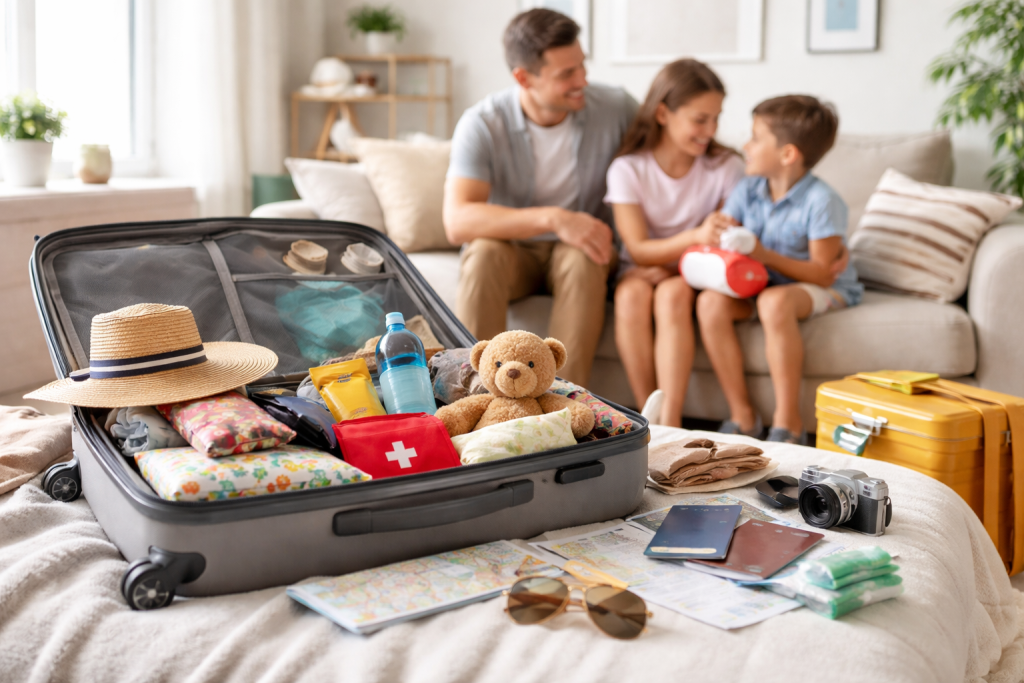
Efficient packing is the bedrock of a successful family trip. Overpacking can lead to frustration and additional costs, while underpacking can leave essential items behind. A balanced approach prioritizes multi-use items and considers each family member’s needs.
The Capsule Wardrobe Approach
For adults and older children, a capsule wardrobe minimizes bulk. Select versatile pieces that can be mixed and matched to create multiple outfits. Neutral colors are advantageous, as they pair easily. Consider items that are stain-resistant and quick-drying, especially for younger children prone to spills. Layering is key, allowing adaptation to varying climates without needing a complete wardrobe change for every temperature fluctuation.
Rolling vs. Folding
The debate between rolling and folding clothes persists. Rolling clothing tightly can compress items, freeing up space and minimizing wrinkles. Folding, particularly using methods like flat folding or packing cubes, can keep garments organized and readily identifiable. Experiment with both methods to determine which best suits your organizational style and the luggage you utilize.
Designated Bags for Different Purposes
Utilize smaller bags or pouches within larger luggage to categorize items. For instance, a “first-aid kit” bag, a “charging cables” bag, and a “toiletries” bag prevent rummaging. For young children, a “daily outfit” bag for each day of the trip simplifies dressing and reduces the chance of losing individual clothing items. These smaller organizational units act as internal compartments, making retrieval efficient.
Must-Have Gear for Traveling with Kids
Children introduce a distinct set of requirements for travel gear. Selecting durable, functional, and age-appropriate items is paramount for their comfort and your peace of mind.
Child Restraints and Safety Devices
When traveling by car or plane, appropriate child restraints are non-negotiable. For infants, a car seat designed for travel, often lightweight and portable, is essential. Harness boosters for toddlers and young children provide necessary safety. Research airline policies regarding car seat usage, as regulations vary. Consider travel strollers that fold compactly, minimizing their footprint in transit. Some strollers are designed to fit into overhead compartments on planes, a significant advantage.
Feeding and Nurturing Essentials
For infants, formula, bottles, breast pumps, and sterilizing equipment require careful planning. Portable bottle warmers or insulated bags can be useful. For toddlers and older children, reusable snack containers and water bottles are eco-friendly and practical. Consider a travel high chair or booster seat for mealtimes, particularly if dining at restaurants or accommodations that may not provide them. These act as mobile dining solutions, ensuring consistent feeding arrangements.
Entertainment on the Go
Keeping children engaged during travel is crucial for preventing meltdowns. A selection of small, portable toys, puzzles, and books can provide moments of quiet occupation. For older children, tablets loaded with age-appropriate games, movies, and audiobooks are invaluable. Headphones are vital for minimizing noise disruption to other travelers. Creative kits with crayons and paper, or magnetic drawing boards, offer screen-free alternatives. These entertainment options serve as a distraction, much like a well-timed story diverts a child’s attention from a scraped knee.
Choosing the Right Luggage for Family Trips
Luggage selection influences portability and organization. The ideal luggage configuration facilitates ease of movement through airports, train stations, and various accommodations.
Hardshell vs. Softshell Luggage
Hardshell luggage offers greater protection for fragile contents and is often water-resistant. However, it can be less flexible for squeezing into tight spaces and may scratch more easily. Softshell luggage is lighter and more adaptable, often featuring external pockets for quick access. Its flexibility allows for expansion, but contents may be less secure. The choice depends on the types of items you transport and your priority for protection versus flexibility.
Backpacks for Day Trips and Personal Items
A reliable backpack for each adult or older child serves multiple purposes. During travel, it holds personal essentials, documents, and entertainment items. At the destination, it transforms into a daypack for excursions, carrying snacks, water, jackets, and first-aid supplies. A well-designed backpack distributes weight evenly, reducing strain during extended periods of carrying. This personal pack is your mobile command center, holding the immediate necessities.
Specialized Bags for Gear
Consider duffel bags for sports equipment or camping gear if your trip involves specialized activities. Garment bags protect formal wear. For camera equipment or other delicate electronics, padded cases are essential. These specialized bags protect investments and streamline the packing process for specific items. They are like custom-built containers for precious cargo.
Health and Safety Essentials for Family Travel
| Health and Safety Essentials for Family Travel |
|---|
| 1. First aid kit |
| 2. Prescription medications |
| 3. Hand sanitizer |
| 4. Sunscreen |
| 5. Insect repellent |
| 6. Travel insurance |
| 7. Emergency contact information |
Prioritizing health and safety prevents minor incidents from escalating into significant disruptions. A well-stocked first-aid kit and proactive measures are fundamental.
The Comprehensive First-Aid Kit
Assemble a first-aid kit tailored to your family’s needs and destination. Include bandages, antiseptic wipes, pain relievers (child-appropriate dosages), allergy medication, motion sickness remedies, and any prescription medications. Don’t forget sunscreen, insect repellent, and after-bite cream. A thermometer is useful for monitoring fevers. This kit is your portable medical cabinet, ready for the unexpected.
Managing Allergies and Medical Conditions
If family members have allergies or medical conditions, carry appropriate medications, such as epinephrine auto-injectors for severe allergies. Obtain a letter from your doctor detailing conditions and prescribed medications, especially for international travel. Research local medical facilities at your destination and understand emergency contact numbers. This preparation acts as a safety net, catching potential complications before they become crises.
Identification and Emergency Information
Ensure each family member carries identification. For children, consider ID bracelets with contact information. Keep digital and physical copies of passports, visas, and travel insurance documents separate from originals. A list of emergency contacts, including pediatricians and family members not traveling, is invaluable. This information serves as a lifeline if communication is disrupted.
Tips for Staying Organized on Family Vacations

Organization evolves from departure to return. Sustained effort keeps clutter at bay and important items accessible.
Daily Repacking Routine
Adopt a daily repacking routine, particularly for items used frequently. Encourage children to participate in putting away their belongings. This prevents a buildup of scattered items and makes the eventual departure less chaotic. A tidy space, even a temporary one, enhances overall well-being. This routine is like a daily reset button, preventing chaos from accumulating.
Laundry Solutions on the Go
For longer trips, plan for laundry. Research self-service laundromats or inquire about laundry services at accommodations. Packing a small amount of travel detergent and a portable clothesline allows for handwashing small items like underwear and socks. This reduces the amount of clothing you need to pack and keeps the family’s wardrobe fresh. It’s a proactive approach to combating the inevitable accumulation of dirty clothes.
Digital Organization
Utilize smartphone apps for organizing itineraries, booking confirmations, and tracking expenses. Cloud storage for important documents ensures access even if physical copies are lost. Share itineraries with family members and emergency contacts. Digital tools are your virtual assistant, keeping a vast amount of information at your fingertips. They act as a control tower, managing the many flights of your travel plans.
Family travel requires foresight and a systematic approach. By implementing these strategies and carefully selecting gear, you can transform what might seem daunting into an enriching and manageable experience for everyone. The journey itself becomes part of the adventure, rather than a hurdle to overcome.