
Family travel involves planning and preparation to ensure a positive experience for everyone. This guide offers practical advice and strategies for making family trips enjoyable, from the initial packing stages to creating lasting memories. The goal is to minimize stress and maximize the joy of shared adventures.
Planning for Smooth Family Journeys
Successful family travel begins long before the departure date. Planning effectively serves as the foundation for creating a memorable trip. It involves anticipating potential challenges and proactively addressing them, thereby smoothing the path for everyone involved. Considering the needs of all family members, especially younger ones, is crucial.
Setting Realistic Expectations
It is important to acknowledge that family trips, particularly with young children, will rarely go exactly as planned. Delays, unexpected weather, or changes in a child’s mood can alter itineraries. Understanding this flexibility is key. Instead of aiming for a perfect, Instagram-ready vacation, focus on creating opportunities for connection and shared experiences. This approach allows for spontaneous moments and reduces frustration when things deviate from the script. Think of it as navigating a river; unexpected currents will appear, but with careful steering, you can still reach your destination smoothly.
Involving Children in the Planning Process
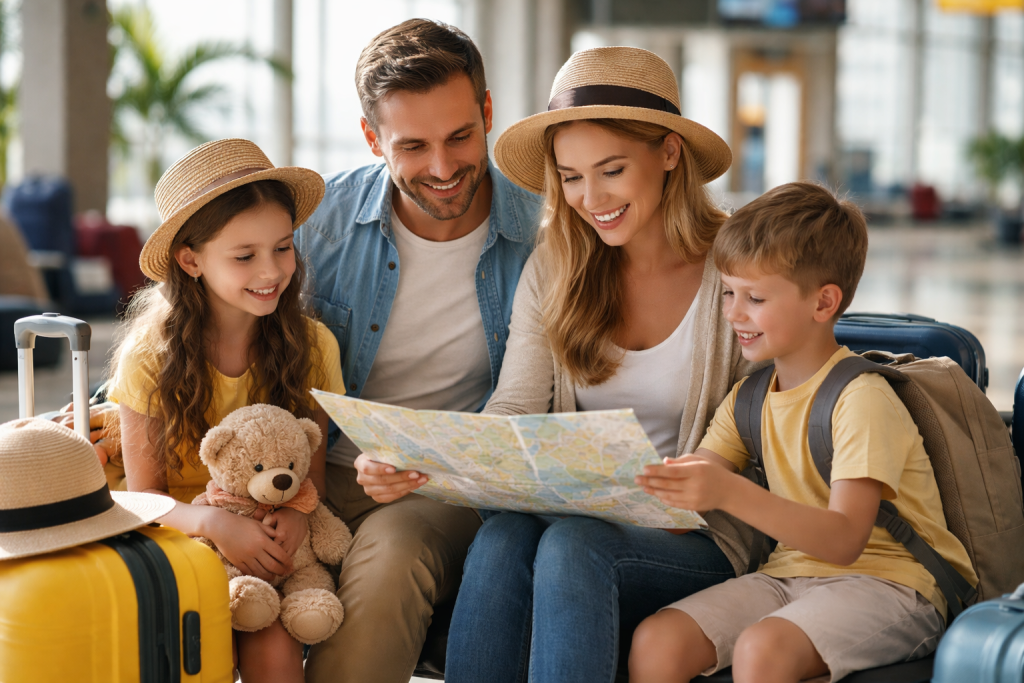
When appropriate, including children in the planning stages can encourage a sense of ownership and excitement for the trip. This does not mean relinquishing all decision-making power. Instead, offer choices within defined parameters. For instance, present two or three child-friendly activities at a destination and let them choose one. Similarly, involve them in selecting some of their clothing or entertainment for the journey. This participation can transform their perspective from passive travelers to active contributors, sparking their curiosity and reducing potential grumbling.
Creating a Flexible Itinerary
A rigid itinerary can quickly become a source of stress when traveling with children. Instead, aim for a flexible framework that allows for downtime, spontaneous detours, and naps. Build in buffer time between activities. Some days might be more packed than others, but ensure there are also periods of rest and unstructured play. This adaptability is akin to a well-crafted sail, capable of capturing favorable winds and adapting to shifting breezes without overturning.
Packing Smart for Family Adventures
Packing is often viewed as a chore, but with a strategic approach, it can become a tool for reducing travel stress. The aim is to pack efficiently, ensuring you have what you need without the burden of excessive luggage. This involves careful selection of items, organization, and a mindful approach to quantity.
The Art of Strategic Packing
When packing for a family, the principle of “less is more” often applies, especially for younger children. Focus on versatile clothing that can be layered, mixed, and matched. Consider the duration of the trip and the expected activities. For children, choose comfortable, durable clothing that can withstand play and is simple to wash. Shoes are another important consideration; comfortable walking shoes are essential, and perhaps a pair of sandals or flip-flops, depending on the destination.
Essential Items for Kids
Beyond clothing and shoes, several items can significantly improve a child’s comfort and well-being on a trip. A favorite blanket or stuffed animal can provide a sense of security in unfamiliar surroundings. A small backpack for each child can hold their personal items, such as a book, a small toy, or a snack, giving them a sense of independence. Don’t forget any necessary medications, a basic first-aid kit, and any comfort items specific to your child’s routine.
Luggage Organization Techniques
Effective organization within suitcases can save significant time and frustration. Packing cubes are a popular and effective tool for separating different types of clothing, such as shirts, pants, and undergarments. They also compress items, maximizing space. Rolling clothes instead of folding them can also save space and reduce wrinkles. For carry-on bags, ensure essentials like snacks, entertainment, and a change of clothes for younger children are easily accessible. This type of storage is akin to a well-organized toolbox; each item has its place, making it easy to find what you need when you need it.
Budget-Conscious Family Vacation Planning
Financial planning is a significant aspect of family travel. Adventures do not need to be prohibitively expensive. Adopting smart strategies allows families to enjoy memorable experiences without exceeding their budget. This involves careful consideration of destination choice, accommodation, activities, and dining.
Choosing Affordable Destinations
Some destinations are inherently more budget-friendly than others. Consider locations that offer natural attractions, such as national parks or beaches, which are often free or low-cost. Look for destinations that are in their shoulder seasons, as prices for flights and accommodation are typically lower. Researching local markets and free walking tours can also lead to significant savings. Sometimes the most incredible experiences are not the most expensive.
Smart Accommodation Choices
Accommodation costs can represent a substantial portion of a vacation budget. While hotels offer convenience, consider alternatives like vacation rentals (e.g., apartments or houses). These can offer more space, a kitchen for preparing meals, and often a lower per-night cost, especially for families needing multiple rooms. Camping or staying in hostels with private family rooms can also be budget-friendly options. Always compare prices across different platforms and consider the amenities offered.
Maximizing Value with Activities and Dining
Look for destinations that offer a good balance of paid attractions and free activities. Many cities have free museums on certain days, parks, and playgrounds. Look for family passes or discounts available for various attractions. When it comes to dining, not every meal needs to be at a restaurant. Utilize your accommodation’s kitchen for some meals, pack picnics for lunches, and explore local markets for affordable and authentic food. This mindful approach to spending ensures that your travel budget stretches further, allowing for more experiences.
Keeping Children Engaged on the Go
Long journeys can be a challenge for children, leading to boredom and restlessness. Proactive entertainment strategies are essential for a peaceful transit experience. The aim is to provide various engaging activities that cater to different interests and attention spans.
Diversifying Entertainment Options
A single type of entertainment is rarely sufficient for the duration of a journey. A mix of activities is key. Books, drawing supplies, puzzles, and travel-sized games can occupy minds. Consider age-appropriate screen time pre-loaded with movies, shows, or educational games. Audiobooks and podcasts are also excellent options that can be enjoyed collaboratively or individually.
The Power of “Surprise” Entertainment
Introducing new or special entertainment items specifically for the journey can create an element of surprise and sustained interest. This could be a new book, a small toy, or a craft kit brought out only during transit. This novelty factor can be a powerful tool for keeping children engaged and preventing boredom.
Encouraging Interaction and Play
Journeys also offer opportunities for family interaction and simple play. Card games, travel-sized board games, or even “I Spy” can be engaging. Encourage conversations about what you are seeing or where you are going. Storytelling or creating collaborative stories can also be a fun way to pass the time. These shared activities strengthen family bonds and make the journey itself part of the adventure.
Finding Comfortable and Kid-Friendly Accommodation
Choosing the right place to stay is paramount for a relaxing family vacation. Accommodation that is not suitable for children can quickly turn a dream trip into a stressful ordeal. The focus is on finding spaces that are safe, comfortable, and offer amenities that cater to family needs.
Prioritizing Safety and Convenience
When selecting accommodation, safety should be the primary concern, especially with younger children. Look for features like secure doors and windows, and if possible, child-proofing options. The location of the accommodation is also important. Proximity to attractions, parks, or convenient public transport can significantly reduce travel time and hassle. Consider whether the accommodation is in a quiet area to ensure adequate sleep for everyone.
Amenities That Make a Difference
Certain amenities can greatly enhance a family’s stay. A kitchenette or a full kitchen allows for preparing simple meals and snacks, which can be a lifesaver for picky eaters or early risers. Access to laundry facilities is also invaluable for managing clothing, especially on longer trips. A pool or outdoor play area can provide much-needed recreation for children. If traveling with an infant, inquire about cribs or high chairs. These seemingly small features can significantly impact the overall comfort and manageability of your stay.
Considering the Type of Accommodation
As mentioned earlier, different types of accommodation offer varying benefits. Hotels can provide services like room service and daily cleaning. Vacation rentals offer more space and a home-like feel. Bed and breakfasts can offer a more personal touch. Evaluate your family’s specific needs and preferences to determine the best fit. For example, a family needing separate sleeping spaces might benefit more from a rental home, while a family seeking convenience might prefer a hotel with amenities.
Exploring Family-Friendly Attractions
| Attraction | Location | Rating |
|---|---|---|
| Zoo | City Park | 4.5 |
| Children’s Museum | Downtown | 4.8 |
| Amusement Park | Outskirts | 4.3 |
Making the most of attractions while traveling with children requires a balanced approach. It involves selecting age-appropriate activities, managing energy levels, and embracing the unexpected. The goal is to create positive experiences that engage and entertain everyone.
Selecting Age-Appropriate Activities
Researching attractions beforehand is crucial to ensure they align with your children’s ages and interests. What might be fascinating for an older child could be overstimulating or boring for a toddler. Look for museums with interactive exhibits, parks with good play facilities, or experiences that cater to a wide range of ages. Reading reviews from other families can provide valuable insights.
Managing Energy and Expectations at Attractions
Children have limited stamina. It is better to visit one or two attractions thoroughly and enjoyably than to rush through several. Plan for breaks and snacks. If an attraction is particularly popular, consider visiting during off-peak hours. Be prepared to leave if a child becomes overtired or overwhelmed. Remember that the experience is about engagement, not just ticking boxes on a sightseeing list. The memory of a child happily playing in a fountain can be just as valuable as visiting a famous landmark.
Embracing Spontaneity within Attractions
While planning is important, allow for spontaneous moments of discovery. Sometimes the most memorable experiences come from unexpected encounters or detours. If children are captivated by something that wasn’t on the original itinerary, consider adapting the plan. This flexibility allows for genuine engagement and can lead to unique family memories.
Navigating Travel Hubs with Children

Airports and other transportation hubs can be chaotic environments. With proper preparation and a calm demeanor, navigating these spaces with children can be managed effectively. The key is to anticipate potential bottlenecks and have strategies in place to mitigate them.
Airport Strategies for Families
Arriving at the airport with ample time is the first critical step. This reduces the pressure of rushing, which can be stressful for both adults and children. Consider utilizing family security lanes if available. Keep snacks and entertainment readily accessible in carry-on bags. Explain the process to children beforehand, what to expect at security, and the boarding process. This preparation can minimize anxiety.
Carry-On Essentials for Transit
Your carry-on bag is your lifeline when traveling with children. Pack essentials like diapers, wipes, formula or milk, bottles, snacks, a change of clothes for younger children, a small first-aid kit, and any necessary medications. Entertainment, as discussed earlier, is also crucial. Being well-prepared with your carry-on can turn a potentially miserable journey into a manageable one.
Public Transportation Considerations
When using public transportation, such as buses or trains, factor in seating availability, especially during peak hours. Strollers can sometimes be cumbersome on crowded vehicles; consider a lightweight, foldable option. If possible, plan routes that are direct and avoid multiple transfers. Familiarizing yourself with local public transport apps can be helpful for checking schedules and routes.
Car Travel Tips
For families traveling by car, regular breaks are essential to prevent restlessness. The plan stops at parks or rest areas where children can move around. Pack plenty of drinks and snacks. Consider using car-friendly games or audiobooks. Ensure car seats are installed correctly and that children are appropriately secured. The journey itself can be an opportunity for fun and connection, not just a means to an end.
Creating Lasting Family Memories
Ultimately, the goal of family travel is to create shared experiences that will be cherished for years to come. This involves being present, engaging with the environment and each other, and intentionally fostering moments of connection.
Being Present and Engaged
In the age of constant connectivity, it is important to put down devices and be present with your family. Engage in conversations, observe the surroundings together, and participate in activities with enthusiasm. These moments of focused attention are the building blocks of strong memories. The shared laughter over a silly mishap or the wonder in a child’s eyes at a new sight are invaluable.
Documenting Memories Mindfully
While photographs and videos are wonderful ways to capture memories, avoid becoming so focused on documentation that you miss the actual experience. Take candid shots that reflect the reality of your trip, not just posed perfection. Consider creating a travel journal together, where children can draw or write about their favorite parts of the day. This active participation in remembering can solidify the experience.
Embracing Imperfection and Finding Joy in the Ordinary
Not every moment of a family trip will be picture-perfect. There will be tired meltdowns, minor disagreements, and unexpected challenges. It is the ability to navigate these imperfections with grace and humor that often leads to the most memorable stories. Finding joy in the simple moments—a shared meal, a walk on the beach, or watching a sunset together—can create profound and lasting memories. These are the quiet anchors that hold the tapestry of your family’s adventures together.