

Family Vacation Planning Made Easy: A Step-by-Step Guide
Family vacations offer a valuable opportunity to strengthen bonds, create shared experiences, and escape the routine of everyday life. However, the planning process can sometimes feel overwhelming. This guide provides a structured approach to simplify each stage, ensuring your family adventure is enjoyable from start to finish.
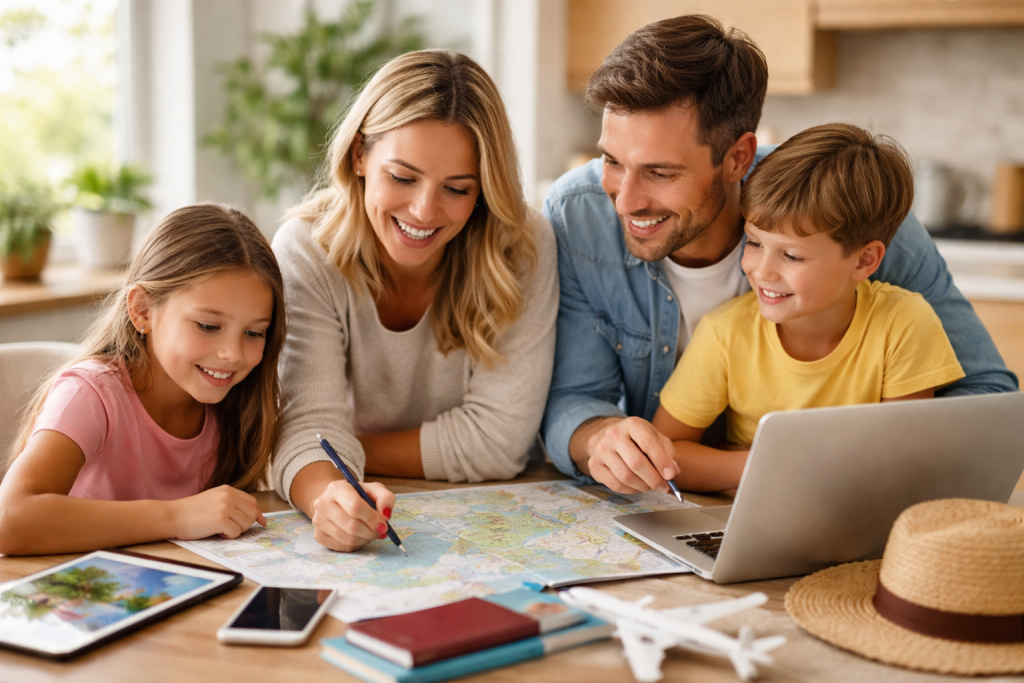
Choosing the Perfect Destination
The first step in planning a successful family vacation is selecting a destination that aligns with your family’s interests, budget, and the ages of your children. Consider this as laying the foundation for your entire trip. A well-chosen destination can be the engine that drives the success of the vacation.
Understanding Family Interests and Needs
Engage all family members in the decision-making process, even young children, by showing them pictures or videos of potential places. What kind of experiences does your family enjoy? Are you drawn to beaches, mountains, historical sites, national parks, or bustling cities? Do you prefer relaxation or adventure? Consider the ages and energy levels of your children. A destination that is too strenuous for younger children or not engaging enough for teenagers can lead to dissatisfaction. For instance, a trip focused solely on historical museums might not hold the attention of very young children, while an amusement park might not appeal to older teenagers seeking a more independent experience. Flexibility is key; sometimes compromise is necessary to ensure everyone feels heard.
Factors to Consider for Destination Selection
Several practical factors should be weighed. The time of year you plan to travel significantly impacts weather, crowd levels, and prices. Research the typical climate for your chosen months. Consider the duration of your vacation. A weekend getaway might be best suited for a location within driving distance, while a longer trip could accommodate international travel. Think about travel time; long flights can be challenging for young children. The type of activities available at a destination is also crucial. Does it offer a variety of options to cater to different ages and interests? For example, a coastal town might offer swimming, historical tours, and boat trips, providing a diverse range of activities.
Researching Destination Suitability
After identifying potential destinations, carry out comprehensive research. Look for information on family-friendliness, safety, and accessibility. Travel blogs, official tourism websites, and reputable travel guides can offer valuable insights. Pay attention to reviews from other families who have visited. What were their experiences? Were there any unexpected challenges? Are there readily available amenities like playgrounds, family-friendly restaurants, or children’s programs? A destination that offers a good balance of adult- and child-oriented activities will likely result in a more harmonious trip. For instance, a resort with a kids’ club and separate adult-only areas can be beneficial for families with varying needs.
Budgeting and Saving for Your Family Vacation
Financial planning is a cornerstone of stress-free travel. Treating your vacation budget as a roadmap will prevent financial detours and ensure you can enjoy your trip without undue worry. Understanding your spending power from the outset is as important as charting your course on a map.
Establishing a Realistic Vacation Budget
Begin by determining how much you can realistically afford to spend. This involves looking at your current savings, income, and essential expenses. Differentiate between essential vacation costs and optional splurges. Essential costs typically include transportation, accommodation, food, and basic activities. Optional expenses might involve souvenir shopping, fine dining, or impulse excursions. It’s helpful to create a spreadsheet or use a budgeting app to track projected expenses. Break down your budget into categories to get a clear picture of where your money will be allocated. For example, allocate a specific amount for flights, a separate amount for accommodation, and another for daily expenses.
Strategies for Saving Money for Your Vacation
Once your budget is set, develop a saving strategy. Start saving as early as possible to avoid a large, sudden financial burden. Consider setting up a dedicated savings account for your vacation fund. Automate transfers from your checking account to this savings account on a regular basis, treating it like any other recurring bill. Look for ways to cut back on discretionary spending in the months leading up to your trip. This might involve reducing impulse purchases, dining out less frequently, or finding cheaper alternatives for entertainment. Loyalty programs and credit card rewards can also contribute to your savings by offering cashback or flight miles. Even small, consistent savings add up over time, like small streams contributing to a larger river.
Managing Expenses During the Vacation
While on vacation, stick to your budget as much as possible. This involves being mindful of daily spending. Pack snacks and drinks to avoid purchasing them at inflated tourist prices. Look for free or low-cost activities, such as visiting local parks, exploring public beaches, or attending free community events. Eating at local eateries rather than exclusively at tourist-trap restaurants can also save money and offer a more authentic culinary experience. Compare prices for souvenirs and avoid impulse buys. Having a clear understanding of your daily spending limit can help you make informed decisions in the moment.
Finding Family-Friendly Accommodations
The right accommodation can significantly enhance your family’s comfort and overall experience. It’s not just a place to sleep; it’s your home base, your sanctuary. Choosing wisely can transform a good trip into a great one.
Types of Family-Friendly Accommodations
Numerous accommodation options cater to families. Hotels often provide amenities like swimming pools, on-site restaurants, and concierge services. Many offer family rooms or adjoining rooms. Vacation rentals, such as apartments or houses booked through services like Airbnb or VRBO, offer more space, a full kitchen, and a more home-like atmosphere, which can be beneficial for families with young children or those who prefer to cook some of their meals. Resorts often provide a comprehensive package with activities, entertainment, and dining options specifically designed for families. Consider a campsite or RV park if your family enjoys the outdoors and wants a more rustic experience. Each type offers a different flavor of comfort and convenience.
Key Features to Look for in Family Accommodations
When evaluating accommodations, prioritize features that will make your stay smoother. Safety is paramount, especially with children. Look for secure entrances, child-safe balconies if applicable, and well-maintained facilities. The availability of amenities like cribs, high chairs, or laundry facilities can be a lifesaver. Proximity to attractions, public transportation, or supermarkets can also be a significant convenience. Consider noise levels; a quiet environment is crucial for restful nights, especially for families with napping toddlers. Check reviews specifically mentioning families with children to gauge their experiences with cleanliness, staff helpfulness, and overall suitability.
Booking Strategies for Family Accommodations
Book your accommodation in advance, especially if you are traveling during peak season or to a popular destination. This secures your preferred choice and often results in better rates. Please review the cancellation policy thoroughly. Understand what happens if your plans change unexpectedly. When booking directly with a hotel, don’t hesitate to call and speak to a reservations agent. They can often provide details not available online and may be able to offer specific room requests or packages. For vacation rentals, thoroughly review the property description, photos, and guest reviews. Ask the host any questions you may have before booking to ensure it meets your family’s needs. Booking in advance is like planting seeds; it allows for growth and a favorable harvest.
Planning Fun and Educational Activities
| Activity | Number of Participants | Duration | Educational Objectives |
|---|---|---|---|
| Science Experiment | 15 | 1 hour | Understanding chemical reactions |
| Art Workshop | 20 | 2 hours | Exploring different art techniques |
| Outdoor Nature Walk | 25 | 1.5 hours | Learning about local flora and fauna |
A well-planned itinerary balances relaxation with engaging activities that cater to everyone’s interests. This section is about curating experiences that will become the memorable moments of your vacation. Think of your itinerary as a carefully composed piece of music, with moments of crescendos and quieter interludes.
Balancing Entertainment and Education
The best family vacations offer a blend of fun and learning. Consider activities that naturally incorporate educational elements, such as visiting historical landmarks, natural history museums, or science centers. Even seemingly simple activities, like exploring a new city on foot or interacting with local culture, can be highly educational. Look for opportunities for hands-on experiences, like workshops, cooking classes, or nature walks led by guides. However, it’s also crucial to include pure entertainment. Theme parks, water parks, beaches, and age-appropriate entertainment shows can provide much-needed fun and energy release. The goal is to create a dynamic experience, not a lecture.
Age-Appropriate Activities for All Family Members
Tailor activities to the age and interest levels of your children. For toddlers, focus on playgrounds, children’s museums with sensory exhibits, or short, engaging nature walks. For school-aged children, consider interactive museums, adventure parks, or historical sites that have engaging tours or reenactments. Teenagers might appreciate more independence, opportunities for adventure sports, or activities that allow them to engage with local youth culture. When planning, think about downtime. Children, like adults, need periods of rest and unstructured play. Over-scheduling can lead to burnout and discontent. It’s better to have a few well-chosen activities than an overwhelming schedule.
Incorporating Downtime and Spontaneity
While planning is essential, leave room for spontaneity. Some of the most memorable moments can arise from unexpected discoveries. Don’t be afraid to deviate from your itinerary if the family stumbles upon something interesting. Schedule “down time” into your daily plan. This could be time spent relaxing at the hotel pool, playing board games, or simply enjoying a leisurely stroll. This unstructured time can be just as valuable as planned activities, allowing for genuine connection and rest. It’s the quiet moments between the notes that give music its depth.
Packing Tips and Tricks for Stress-Free Travel

Efficient packing is a foundational element of a smooth vacation. It’s about being prepared without being burdened. Think of your luggage as a well-organized toolbox; you want everything you need easily accessible.
Creating a Comprehensive Packing List
The cornerstone of efficient packing is a detailed packing list. Tailor this list to your destination, the duration of your trip, and the planned activities. For example, if you are going to a tropical destination, your list will differ significantly from one for a winter ski trip. Categorize your list to ensure you don’t forget essential items. Common categories include clothing, toiletries, medications, travel documents, entertainment, and electronics. For children, include items specific to their needs, such as favorite toys, comfort items, or specialized toiletries. Regularly updating your packing list based on past trips can make future packing even easier.
Maximizing Luggage Space and Organization
Smart packing techniques can significantly reduce the amount of luggage you need to carry. Rolling clothes instead of folding them can save space and minimize wrinkles. Utilize packing cubes to compartmentalize different types of clothing or outfits. This also makes it easier to find items within your suitcase. Wear bulky items, like jackets or hiking boots, during travel to save space in your luggage. Consider the weight restrictions of your chosen mode of transportation. For carry-on luggage, pack essentials such as medications, a change of clothes, and valuable items. This ensures you have what you need even if your checked luggage is delayed. Organized luggage is like a well-maintained ship; it sails smoothly.
Essential Items for Family Travel
Beyond clothing, several essential items can make family travel more comfortable. A well-stocked first-aid kit is crucial for addressing minor injuries or illnesses. Include any necessary prescription medications, along with over-the-counter remedies for common ailments like headaches or upset stomachs. Pack entertainment for children, especially for travel time. Books, coloring supplies, portable games, or downloaded movies can provide much-needed distraction during flights or car rides. Also, consider travel-sized toiletries to save space and weight. Reusable water bottles are a good idea for staying hydrated and reducing waste. Don’t forget travel adapters and portable chargers for your electronic devices.
Managing Travel Logistics with Children
Navigating travel with children requires foresight and a patient approach. It’s about transforming potential challenges into manageable steps. Consider this as charting a course through sometimes choppy waters, with careful navigation.
Preparing Children for the Journey
Before embarking on your trip, talk to your children about the upcoming travel. Explain where you are going, how you will get there, and what they can expect. This helps to manage their expectations and reduce anxiety. For younger children, use age-appropriate language and perhaps a storybook about travel. Involve them in packing their own small bag with a few favorite toys or books. Familiarizing them with the concept of travel can turn apprehension into excitement.
Navigating Airports and Public Transportation
Airports can be overwhelming, especially with young children. Arrive early to allow ample time for check-in, security, and finding your gate. Pack snacks and drinks for the journey. Utilize family-friendly amenities at the airport, such as play areas. If traveling by train or bus, consider booking seats together in advance. Have entertainment readily available for the travel itself. Consider using a comfortable and practical stroller for younger children, which can also serve as a convenient place to store bags. The key is to be proactive and prepared for potential delays or logistical hurdles.
Dealing with Meltdowns and Unexpected Issues
Travel can be tiring for children, and occasional meltdowns are almost inevitable. Remain calm and patient. Try to identify the cause of the distress—hunger, fatigue, or boredom. Offer comfort and reassurance. Have a few familiar items from home that can provide a sense of security. If traveling by car, plan for regular breaks for children to stretch their legs and burn off energy. For longer journeys, consider breaking them up into shorter segments. Having a positive and flexible attitude can make a significant difference in how successfully you navigate these moments. Remember, everyone faces challenges; the art is in how you respond.
Creating Lasting Memories on Your Family Vacation
The ultimate goal of a family vacation is to forge bonds and create cherished memories. This is where the effort of planning culminates. These memories are the treasures you bring home, far more valuable than any souvenir.
Documenting Your Family Adventures
Photography and videography are powerful tools for capturing memories. Encourage family members to take pictures or videos, focusing on candid moments as well as posed shots. Consider creating a family travel journal where everyone can write or draw about their favorite experiences. Even a simple digital scrapbook or a shared photo album can serve as a wonderful reminder of your trip. These mementos become tangible links to shared experiences, allowing you to revisit the joy of your vacation long after it has ended.
Encouraging Family Connection and Engagement
The vacation is an opportunity to disconnect from daily distractions and reconnect with each other. Put away phones and other devices for designated periods. Engage in conversations, play games together, and participate in activities as a unit. Be present in the moment and savor the time you have together. Shared experiences, whether a challenging hike or a quiet evening watching the sunset, foster a sense of togetherness. These shared moments are the building blocks of lasting family connection. Think of it as fortifying the family fortress, one shared experience at a time.
Reflecting and Sharing Post-Vacation
Upon returning home, take time to reflect on your vacation. Look through photos, share favorite stories, and discuss what everyone enjoyed most. This post-vacation reflection reinforces the positive aspects of the trip and reinforces the memories created. Consider framing a favorite photo or creating a small memory box with items collected during the vacation. These activities not only keep the memories alive but also build anticipation for future family adventures. The echoes of a good vacation can resonate for a long time.