
Embarking on your first international adventure is a thrilling prospect, a chance to step outside your familiar world and immerse yourself in new sights, sounds, and experiences. This comprehensive guide will equip you with the knowledge and confidence to transform that dream into a reality, from the initial spark of wanderlust to the fulfilling journey itself.
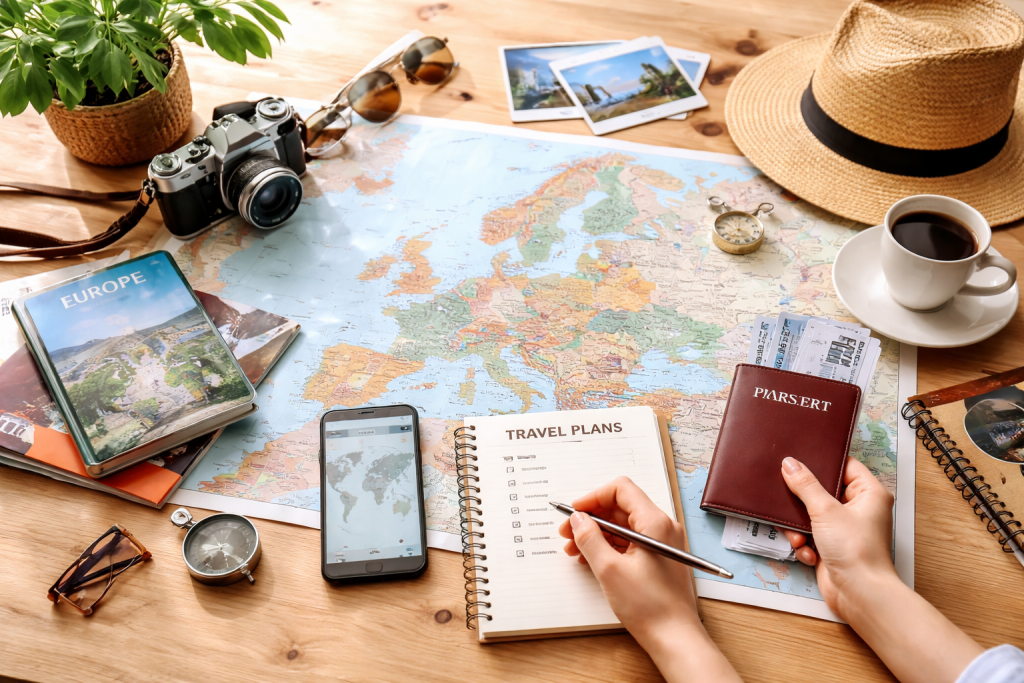
The world is an oyster, and for your inaugural international escapade, selecting the right pearl is paramount. This decision lays the foundation for your entire experience, influencing everything from your budget to the cultural immersion you’ll encounter. It’s a delightful dilemma, and the key lies in aligning your personal travel style and aspirations with the characteristics of potential destinations.
Defining Your Travel Persona
Before you even start browsing Skyscanner, take a moment for self-reflection. What kind of traveler do you envision yourself being on this trip? Are you a history buff eager to explore ancient ruins, an adrenaline junkie seeking thrilling outdoor activities, a foodie yearning to sample exotic cuisines, or a beach lover dreaming of sun-drenched shores? Understanding your core travel motivations will significantly narrow down your options. Consider the pace you desire, too. Do you envision a whirlwind tour packed with sights, or a slower, more introspective journey allowing for deeper connections?
Destination Ideation: From Popular Picks to Off-the-Beaten-Path
For a first-time international traveler, leaning towards destinations renowned for their tourist infrastructure and established travel pathways can offer a smoother introduction. Consider countries that are widely recognized for being welcoming to foreigners and where English is commonly spoken, at least in tourist hubs. Europe, with its rich history, diverse cultures, and relatively easy transportation networks, often emerges as a popular choice. Cities like Paris, Rome, or London offer iconic landmarks and a well-trodden path for first-time explorers. Southeast Asia, with its vibrant street life, delicious food, and affordability, also presents an attractive entry point, with destinations like Thailand or Vietnam providing unforgettable experiences. Alternatively, if you crave something a little less conventional but still manageable, perhaps a country like Portugal or Costa Rica could offer a unique blend of adventure and accessibility.
Practicalities First: Budget, Time, and Safety Considerations
Your initial destination choice must be grounded in practicality. Your budget will inherently dictate where you can go and for how long. Flights are often the largest single expense, so researching airfare to different regions is a crucial early step. Accommodation, food, and activity costs vary dramatically between countries. Furthermore, the time of year you plan to travel is essential. Consider weather patterns – you wouldn’t want to plan a beach holiday during monsoon season, nor a city exploration during a sweltering summer. Finally, and perhaps most importantly, research the safety and political stability of any potential destination. Reputable government travel advisories can offer valuable insights.
The romance of international travel often begins with daydreams of faraway lands, but before you can experience them, a crucial, albeit less glamorous, phase of preparation awaits: gathering your essential travel documents. This logistical hurdle, when approached systematically, ensures a smooth and stress-free departure and arrival.
The Cornerstone: Your Passport
Your passport is your golden ticket to international travel. Ensure it is valid for at least six months beyond your intended return date, as many countries have this requirement to prevent visitors from overstaying their visas. If your passport is nearing its expiry date or is damaged, apply for a renewal well in advance. Allow ample time for processing, as this can sometimes take several weeks.
Visa Virtues: Understanding Entry Requirements
The need for a visa depends entirely on your nationality and the destination country. Many countries have reciprocal visa agreements, allowing citizens of certain nations to enter visa-free for short stays, often for tourism. Others require a visa, which may need to be applied for in advance, either online or at an embassy or consulate. Thoroughly research the specific visa requirements for your chosen destination and ensure you meet all application criteria, including providing necessary supporting documents such as proof of accommodation, return flights, and financial solvency.
Beyond the Basics: Other Crucial Documentation
Beyond your passport and visa (if applicable), other documents are vital. Carry copies of your passport and visa, stored separately from the originals, in case of loss or theft. Your driver’s license can be useful for identification, and an International Driving Permit (IDP) might be necessary if you plan to rent a car. It’s also wise to have printed or digital copies of your flight itineraries, hotel bookings, and any pre-booked tours or activities.
The allure of international travel can sometimes be overshadowed by financial anxieties, especially for your first foray abroad. However, a well-structured budget and smart financial planning can transform these concerns into manageable steps, ensuring your adventure remains both exhilarating and financially sound.
Realistic Estimates: Articulating Your Expenses
The first step in any budget is an honest assessment of expected costs. Broadly categorize your expenses into fixed and variable categories. Fixed costs typically include flights and pre-booked accommodation. Variable costs encompass daily expenditures such as food, local transportation, activities, souvenirs, and any incidentals. Research the average cost of these items in your destination, drawing on travel blogs, forums, and official tourism websites. Don’t forget to factor in pre-trip expenses like vaccinations or travel insurance.
Currency Know-How: Exchange Rates and Payment Methods
Understanding the local currency and exchange rate is crucial. Familiarize yourself with the current rate so you can easily recognize fair prices and avoid being overcharged. Decide on your preferred method of accessing funds. Carrying some local currency for immediate needs upon arrival is advisable, but relying solely on cash can be risky. Credit and debit cards are widely accepted in many destinations, but it’s essential to inform your bank of your travel plans to avoid any cards being blocked due to suspicious activity. Consider travel-friendly credit cards that offer no foreign transaction fees.
The Emergency Fund: A Contingency for the Unexpected
No matter how meticulously you plan, unexpected expenses can arise. Having an emergency fund is a cornerstone of responsible travel budgeting. This fund, separate from your main travel budget, should be accessible for unforeseen circumstances such as medical emergencies, lost luggage, or last-minute travel changes. Aim to have at least a few hundred dollars (or the equivalent in your currency) set aside for such eventualities.
The contents of your suitcase can significantly impact your comfort and overall travel experience. For an international adventure, packing strategically is an art form, balancing the need for essentials with the desire to travel light. The key is to prioritize versatility and practicality.
Layering Up: Clothing for Every Scenario
The most effective approach to packing clothing for international travel is to embrace the principle of layering. This allows you to adapt to fluctuating temperatures and different weather conditions. Pack lightweight, quick-drying fabrics that can be easily mixed and matched. Include basic items like t-shirts, a couple of long-sleeved shirts, comfortable trousers or jeans, and perhaps a skirt or dress. A versatile fleece or sweater is essential for cooler evenings or higher altitudes. Don’t forget appropriate undergarments and at least one pair of comfortable walking shoes, as you’ll likely be doing a lot of exploring on foot.
The Tech Toolkit: Gadgets and Chargers
In our interconnected world, certain electronic devices are practically indispensable. Your smartphone will likely serve as your camera, map, translation tool, and communication device. Ensure you have a reliable portable power bank to keep your devices charged on the go. Consider a universal travel adapter; outlets vary significantly across countries, and having the right adapter prevents the frustration of being unable to plug in your electronics. If you plan to capture your memories through photography, a dedicated camera and extra memory cards are a worthwhile investment.
Health and Hygiene: Staying Well Abroad
Maintaining good health and hygiene is paramount when traveling internationally. Pack a basic first-aid kit containing essentials like bandages, antiseptic wipes, pain relievers, and any personal medications. Consider including motion sickness remedies if you are prone to it and perhaps insect repellent and sunscreen, depending on your destination. Small travel-sized toiletries are incredibly useful, especially if you plan to stay in hostels or budget accommodations. Don’t forget hand sanitizer; it’s a simple yet effective tool for preventing the spread of germs.
Stepping into a new country means stepping into a new cultural landscape, a tapestry woven with unique traditions, customs, and social norms. Approaching these differences with an open mind and a respectful attitude will not only enrich your experience but also foster positive interactions with locals.
Respectful Greetings and Gestures
Every culture has its own nuances when it comes to greetings and non-verbal communication. A simple handshake is common in many Western cultures, but in other parts of the world, a bow, a nod, or a particular verbal greeting might be expected. Research common gestures and their meanings in your destination to avoid unintentional offense. For instance, pointing with your index finger can be considered rude in some cultures; using an open hand or chin gesture might be more appropriate.
Dining Decorum and Social Graces
Mealtimes are often a central part of cultural life, and understanding local dining etiquette is a valuable skill. This can range from how to accept or refuse food to table manners. For example, in some cultures, it’s considered polite to finish everything on your plate, while in others, leaving a small amount indicates that you have been well-fed. Observing your hosts and fellow diners is often the best way to learn. Be mindful of dress codes if you are invited to someone’s home or to a religious site.
Navigating Social Interactions: Politeness and Personal Space
Personal space varies greatly from one culture to another. What might be considered a comfortable proximity in your home country could feel intrusive elsewhere, and vice versa. Be attuned to body language and adjust your personal space accordingly. When engaging in conversations, particularly with strangers, a polite and humble demeanor is generally appreciated. Avoid making assumptions or generalizations about people based on their nationality; treat each individual with respect.
Once you’ve arrived at your destination, the practicalities of navigating your new surroundings become paramount. Understanding the local transportation systems will empower you to explore with confidence and efficiency, turning potential logistical hurdles into exciting opportunities for discovery.
Mastering Public Transit: Buses, Trains, and Subways
Many international cities boast extensive and efficient public transportation networks. Familiarizing yourself with the local bus, train, or subway systems can be incredibly cost-effective and offer a glimpse into local life. Many cities have apps or websites that provide route information, schedules, and even real-time updates. Purchasing travel cards or passes can often save you money compared to buying individual tickets for each journey. Don’t be afraid to ask for help from locals or station staff; most people are happy to assist a lost traveler.
Taxis and Ride-Sharing: Convenience with Caution
Taxis can be a convenient option, especially for direct routes or late-night travel. However, it’s important to be aware of local practices. In some cities, it’s advisable to use reputable taxi companies or official taxi stands rather than hailing cabs on the street. Ride-sharing apps are also prevalent in many urban areas, offering an alternative with transparent pricing. Always ensure the meter is running if using a traditional taxi and confirm the fare before starting your journey if possible.
Walking and Cycling: Immersive Exploration
For shorter distances and within city centers, walking and cycling are often the most rewarding ways to explore. They allow you to discover hidden alleyways, charming squares, and local shops that you might otherwise miss. Many cities offer bicycle rental services, providing a fun and eco-friendly way to see the sights. Equip yourself with a good map or a reliable navigation app, and enjoy the freedom of setting your own pace.
While the thrill of international travel is undeniable, responsible preparation for safety and health is a non-negotiable aspect of any adventure. By understanding potential risks and taking proactive measures, you can ensure your journey is not only memorable but also secure.
Health First: Vaccinations and Medical Preparedness
Before you depart, consult with your doctor or a travel clinic about recommended vaccinations and any necessary preventive medications for your destination. Some countries may require proof of certain immunizations for entry. Pack a personal medical kit with common over-the-counter medications, prescription drugs (with a copy of your prescription), and any personal health essentials. Research the location of reputable medical facilities in your destination in case of an emergency.
Staying Alert: Personal Safety and Awareness
General awareness of your surroundings is your best defense against petty crime. Be mindful of your belongings, especially in crowded areas or on public transportation. Avoid displaying excessive wealth or valuable items. Trust your instincts; if a situation feels uncomfortable or unsafe, remove yourself from it. Familiarize yourself with emergency contact numbers in your destination, such as local police or ambulance services.
Emergency Protocols: Knowing What to Do
Having a plan for emergencies can significantly reduce anxiety. Know how to contact your country’s embassy or consulate in case of a serious issue, such as a lost passport or a legal problem. Understand the local emergency numbers for police, fire, and ambulance services. Share your itinerary with a trusted friend or family member back home and establish a system for regular check-ins.
The prospect of encountering a language barrier can seem daunting, but it’s an opportunity to practice patience, resourcefulness, and embrace the charm of non-verbal communication. With a few simple strategies, you can navigate these linguistic landscapes with ease.
Essential Phrases: The Power of a Few Words
Learning a few basic phrases in the local language can go a long way in fostering goodwill and making your interactions smoother. Words like “hello,” “thank you,” “please,” “excuse me,” and “do you speak English?” are invaluable. Even a clumsy attempt at the local tongue is often appreciated and can break down barriers. Many travel apps offer pronunciation guides and offline phrasebooks.
Technological Lifelines: Translation Apps and Devices
In the digital age, translation apps and devices have become incredibly powerful tools. These can provide real-time text and voice translation, making it easier to understand menus, signs, and conversations. Download offline versions of translation apps before you leave home, as reliable internet access may not always be available. While these tools are incredibly helpful, remember they are aids, not replacements for genuine human connection.
The Art of Non-Verbal Communication
When words fail, gestures, facial expressions, and visual aids come to the forefront. Pointing to items, drawing pictures, or using your hands to convey meaning can be surprisingly effective. Be patient, maintain eye contact, and use a friendly tone. Locals are often more willing to help when they see you are making an effort to communicate and are not frustrated by the language difference.
Securing comfortable and convenient accommodation is a vital component of a successful international adventure. The range of options available caters to every budget and travel style, allowing you to tailor your stay to your specific needs and preferences.
The Digital Marketplace: Online Booking Platforms
The internet has revolutionized how we book accommodation. Websites like Booking.com, Expedia, and Airbnb offer a vast array of hotels, hostels, apartments, and guesthouses worldwide. These platforms provide detailed descriptions, photos, guest reviews, and transparent pricing, allowing you to compare options and make informed decisions from the comfort of your home.
Budget-Friendly Havens: Hostels and Guesthouses
For budget-conscious travelers, hostels offer a social and affordable way to stay. They typically provide dormitory-style rooms, often with shared bathrooms, but many also offer private rooms. Hostels are great for meeting other travelers and often organize social events. Guesthouses, or bed and breakfasts, offer a more intimate experience, often run by local families, providing a glimpse into domestic life and a hearty breakfast.
Home Away From Home: Apartments and Vacation Rentals
Renting an apartment or vacation home through platforms like Airbnb can be an excellent choice for longer stays or for those who prefer more independence and the option to cook their own meals. This can be particularly economical for groups or families. When booking, pay close attention to the location, amenities, and house rules to ensure it meets your needs.
Your international adventure is not just about ticking off landmarks; it’s about creating memories, expanding your horizons, and embracing the transformative power of travel. Delving into authentic experiences will elevate your journey from ordinary to extraordinary.
Immersive Experiences: Beyond the Tourist Trail
While iconic sights are undoubtedly worth visiting, seek out opportunities for genuine cultural immersion. This could involve taking a cooking class to learn local culinary secrets, attending a traditional festival, or exploring local markets to interact with vendors. Visiting less-traveled neighborhoods and engaging with community events can offer a deeper understanding of the destination’s soul.
Culinary Exploration: A Taste of Local Life
Food is a universal language, and exploring the local cuisine is an essential part of any international adventure. Venture beyond tourist-trap restaurants and seek out authentic eateries, street food vendors, and local cafes. Don’t be afraid to try new and unfamiliar dishes; often, the most memorable culinary experiences come from stepping outside your comfort zone.
Embracing Spontaneity: The Joy of the Unexpected
While planning is essential, sometimes the most magical moments of travel are born from spontaneity. Allow yourself to deviate from your itinerary, follow intriguing paths, and engage in unplanned encounters. These unexpected detours often lead to the most enriching and unforgettable experiences, turning your first international adventure into a lifelong treasure.