

5 Family-Friendly Cruises for Your Next Adventure
You are planning a vacation that caters to every generation, an experience where relaxation for adults meets boundless excitement for children. A family cruise can be an ideal solution, offering a floating resort designed with diverse interests in mind. This article explores the various facets of family-friendly cruises, guiding you through options, activities, amenities, and essential planning tips to ensure a memorable voyage.
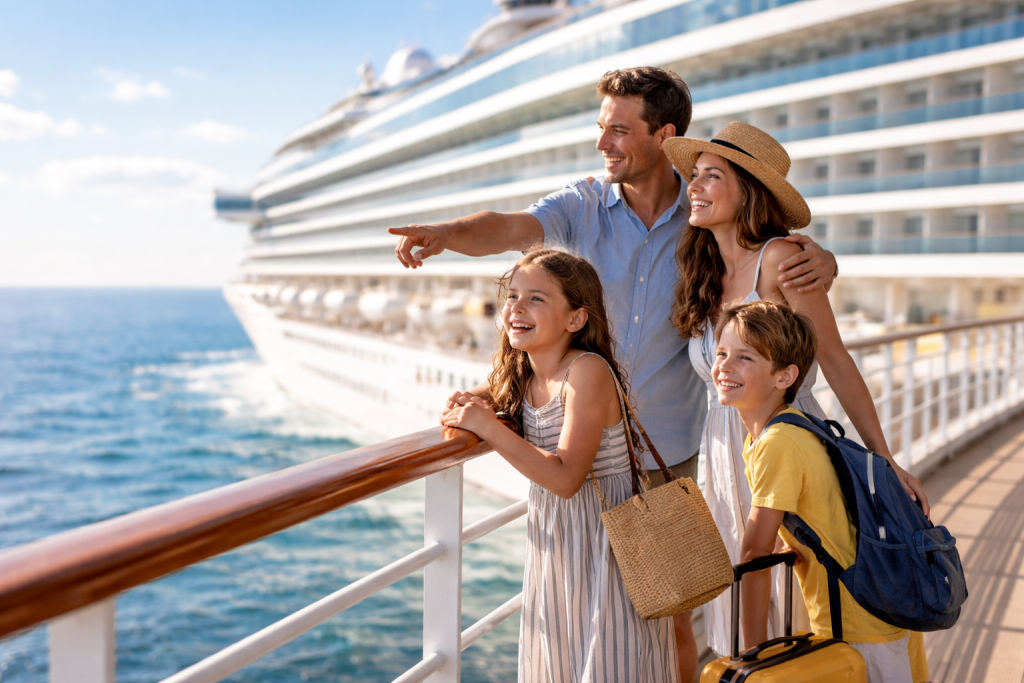
Family-Friendly Cruise Options
Modern cruise lines have widely embraced the family market, offering a spectrum of ships and itineraries specifically tailored to multi-generational travel. When selecting a cruise, consider the size of the ship, the overall atmosphere, and the specific amenities each line provides for families.
Major Cruise Lines for Families
Several prominent cruise lines are renowned for their family offerings. Disney Cruise Line, for instance, focuses heavily on immersive character experiences, themed dining, and extensive kids’ clubs inspired by their popular franchises. Royal Caribbean International operates some of the largest ships in the world, often featuring expansive aqua parks, rock-climbing walls, ice-skating rinks, and dedicated youth-only zones. Carnival Cruise Line is often recognized for its lively atmosphere, water slides, and “Seuss at Sea” program. Norwegian Cruise Line provides a freestyle cruising concept, allowing for flexible dining times and a variety of entertainment options. MSC Cruises, with its European heritage, offers family-friendly programs and often features partnerships with LEGO and Chicco for younger cruisers. Each of these lines acts as a slightly different lens through which families can view their vacation, from the highly themed to the athletically oriented.
Specialty Niche Cruises
Beyond the major players, some smaller cruise lines or specific itineraries cater to niche family interests. River cruises, for example, can offer a more intimate experience with a focus on cultural immersion, though some may have fewer dedicated children’s facilities. Expedition cruises to destinations like Alaska or the Galapagos can be a powerful educational tool, offering wildlife viewing and hands-on learning experiences, often with specific youth naturalist programs. These are less about the whirlwind of activities and more about a focused, shared discovery. When considering these, evaluate if the educational or exploratory aspect outweighs the desire for extensive onboard entertainment for your family.
Activities and Entertainment for All Ages
The strength of a family-friendly cruise lies in its ability to simultaneously entertain a toddler, a teenager, and a grandparent. A well-designed cruise acts as a self-contained ecosystem of fun, offering something for every member of the family unit.
Youth Programs and Teen Hangouts
Kids’ clubs are central to the family cruise experience. These supervised programs are typically divided into age groups, from infants and toddlers to pre-teens and teenagers. Younger children might engage in arts and crafts, storytelling, scavenger hunts, and themed parties. Older children often have access to video game consoles, sports tournaments, and age-appropriate social events. Teen clubs provide a dedicated space for adolescents to socialize, often with their discos, lounges, and activities free from adult supervision, offering a sense of independence within the ship’s boundaries. Carefully designed, these spaces encourage peer interaction and offer a structured environment for parents seeking adult time.
Onboard Attractions and Shows
Cruise ships have evolved into floating amusement parks. Expect to find water parks with slides, splash pads, and sometimes even surf simulators. Climbing walls, mini-golf courses, sports courts, and even ropes courses are common features. Beyond physical activities, ships host a diverse range of entertainment. Broadway-style shows, magic acts, comedy shows, and live music are staples. Some ships feature dedicated venues for specific performances, from ice shows to acrobatic spectaculars. Evening entertainment often includes karaoke, trivia nights, and dance parties, ensuring there are options suitable for families to enjoy together or separately. These attractions serve as the highlights of your vacation, each providing a unique aspect of enjoyment.
Activities for the Whole Family
The whole family can participate in many activities together. This might include family scavenger hunts, themed deck parties, character parades (especially on Disney cruises), cooking demonstrations, or even interactive game shows. Some cruise lines offer dedicated family lounges or movie nights under the stars. These activities provide opportunities for shared family memories and interaction, building bridges between generations through shared laughter and experience.
Dining and Accommodation for Families
The logistics of feeding and housing a family on vacation can be complex. Cruise ships streamline this process, offering a range of dining options and stateroom configurations designed with families in mind.
Flexible Dining Options
Cruise lines understand that children have varying palates and schedules. Main dining rooms often offer early seating times to accommodate younger diners and provide kid-friendly menus alongside adult options. Casual buffet restaurants offer a diverse range of food options, enabling families to customize their meals according to their individual preferences. Many ships also feature specialty restaurants, some of which are family-friendly, offering a more upscale dining experience that can be an occasional treat. Room service is often available, providing convenience for exhausted parents or late-night snacks. The availability of diverse dining acts as a buffet of choice, ensuring no one goes hungry or feels limited.
Family Stateroom Configurations
Standard inside, oceanview, and balcony staterooms can often accommodate families with pull-down berths or sofa beds. However, many ships now offer dedicated family staterooms or suites. These often feature connecting doors, separate sleeping areas, or larger living spaces, providing more room to spread out. Some suites come with additional perks like priority boarding, concierge services, or access to exclusive lounges. When booking, consider the size of your family and the amount of personal space you require. A larger cabin can be a sanctuary from the ship’s energy, a quiet harbor in a bustling sea.
Dietary Accommodations
Most cruise lines are equipped to handle various dietary restrictions and allergies. It is crucial to inform the cruise line in advance of any specific needs, such as gluten-free, vegetarian, vegan, or allergy-specific meals. Chefs are often able to prepare special dishes, and buffet items are typically labeled with common allergens. Communicating these needs proactively ensures a smooth and safe dining experience for all family members.
Exciting Destinations and Itineraries
| Destination | Number of Visitors | Popular Activities |
|---|---|---|
| Paris, France | 10 million | Eiffel Tower, Louvre Museum, Seine River Cruise |
| Tokyo, Japan | 9 million | Shibuya Crossing, Tokyo Disneyland, Tsukiji Fish Market |
| Rome, Italy | 7 million | Colosseum, Vatican City, Trevi Fountain |
A cruise is not just about the ship; it is also a gateway to new places. Family-friendly itineraries consider shorter sailings, accessible ports, and activities that appeal to all ages at each stop.
Popular Family Cruise Regions
The Caribbean is a perennial favorite for families due to its warm climate, beautiful beaches, and a plethora of shore excursions like snorkeling, swimming with dolphins, and exploring historical sites. Alaska cruises offer a different kind of adventure, with emphasis on wildlife viewing, glaciers, and outdoor activities like kayaking and hiking. European cruises can introduce families to history and culture, with many lines offering family-friendly excursions to iconic landmarks. Mexican Riviera cruises provide sun, sand, and cultural experiences. The choice of destination often depends on the family’s interests and the ages of the children. Each region offers a different flavor of adventure, a unique landscape to explore.
Shore Excursions for All Ages
Cruise lines offer a wide range of shore excursions, often categorized by activity level and age appropriateness. For families, options might include guided beach trips, visits to theme parks or water parks, animal encounters (like stingray interactions), historical tours, or even adventurous activities like zip-lining or ATV rides. It is advisable to book excursions in advance, especially during peak seasons, to secure your spot. While independent exploration remains an option, for first-time cruisers or those traveling with small children, organized excursions offer a sense of peace and convenience.
Short and Long Itineraries
Family cruises are available in various lengths, from short 3-day weekend getaways to longer 7-day or more extensive voyages. Shorter cruises are ideal for first-time cruisers or families with very young children, offering a taste of the cruise experience without a significant time commitment. Longer cruises allow for more exploration, deeper relaxation, and a chance to experience more of the ship’s amenities. Consider your family’s stamina and desire for variety when selecting an itinerary length.
Onboard Childcare and Kids Clubs

While kids’ clubs are a cornerstone of family cruising, understanding the nuances of onboard childcare and youth programs is essential for a seamless vacation.
Age Group Divisions and Activities
To ensure tailored and appropriate activities, kids’ clubs typically segment into distinct age groups. Common divisions include infants (often 6 months to 2 years), toddlers (2-3 years), juniors (4-7 years), navigators (8-11 years), and teens (12-17 years). Each group has dedicated staff members trained to engage children with age-specific activities. For example, infants might have supervised playtimes and nap areas, while juniors could participate in themed parties and scavenger hunts. Teens often have their lounges and activities like sports tournaments, dance parties, and movie nights. These divisions are like separating grains, each needing specific conditions to thrive.
Staff Qualifications and Safety Protocols
Cruise lines employ qualified youth staff, often with backgrounds in education, childcare, or recreation. Industry standards maintain staff-to-child ratios, and all personnel undergo background checks and safety training. Security measures are stringent, often including sign-in/sign-out procedures for children, particularly for younger age groups. Parents can generally tour the facilities during embarkation to familiarize themselves with the environment and staff before entrusting their children. These protocols serve as a sturdy fence around the playground, ensuring safety while still allowing for fun.
Beyond the Kids’ Clubs: Babysitting Services
For evenings when adults desire a more intimate dining experience or an evening show, many cruise lines offer additional babysitting services. These can range from in-cabin babysitting (often for an hourly fee) to group sitting services in a dedicated area during specific evening hours. Availability and cost vary by cruise line and ship. It is advisable to inquire about these services and make reservations well in advance, as they can be popular. These services offer a quiet harbor for parents, a chance to recharge while knowing their children are cared for.
Tips for Planning a Family Cruise
A well-planned cruise is a smooth voyage. Several key considerations can help you navigate the booking process and prepare for your family adventure.
Booking Early and Saving Money
Booking your cruise well in advance often secures better cabin selection, allows access to early bird discounts, and provides ample time to budget. Cruise fares tend to increase as the sailing date approaches, particularly for popular family-friendly itineraries and during peak travel seasons (school holidays, summer). When comparing prices, consider what is included in the fare (e.g., gratuities, drinks packages, Wi-Fi), as these can significantly impact the overall cost. Look for promotions that offer extra onboard credit or discounted airfare.
Packing Essentials and Documentation
Packing for a family cruise requires careful thought. Besides typical vacation gear, remember essentials like over-the-counter medications, sunscreen, hats, swimsuits, comfortable walking shoes for shore excursions, and formal wear if you plan on participating in dress-up nights. Pack a day bag with essentials for embarkation day, as your luggage may not arrive at your cabin for several hours. Ensure all family members have valid passports or other required travel documents, especially if traveling internationally. Keep copies of important documents separate from the originals. This is your personal anchor, preventing you from drifting into a sea of inconvenience.
Health and Medical Considerations Onboard
Before cruising, consult your doctor about any specific health concerns for family members. Purchase travel insurance that includes medical coverage and emergency evacuation. Bring any prescription medications in their original containers. Cruise ships have medical facilities on board for minor illnesses and emergencies, but these services come at an additional cost. Be aware of motion sickness remedies, as rough seas can affect some individuals. Maintaining good hygiene, like frequent hand washing, is crucial to prevent the spread of illness on board.
Making the Most of Your Family Cruise Experience
Once on board, a few strategies can help you maximize your enjoyment and ensure a harmonious family vacation.
Balancing Family Time and Adult Time
A successful family cruise strikes a balance between quality time together and opportunities for individual and adult relaxation. Utilize kids’ clubs and youth programs when parents desire a quiet dinner, a spa treatment, or some time by the adult-only pool. Schedule family activities, whether it’s a shared meal, a group show, or a shore excursion, to create lasting memories. Communication is key; discuss expectations with older children and teens regarding independent time and family gatherings. This balance is like a seesaw, each side needing attention to lift the other.
Utilizing Onboard Resources
Familiarize yourself with the ship’s layout, daily activity schedule (often delivered to your cabin or available on an app), and guest services. The guest services desk can assist with reservations, inquiries, and any issues that may arise. Dining staff can offer recommendations and address dietary needs. Look for dedicated family concierges or youth program directors who can provide specific information or assistance tailored to families. These resources are maps to your adventure, guiding you through the ship’s offerings.
Embracing Flexibility and Unscheduled Moments
While planning is important, some of the best cruise memories often come from spontaneous moments. Be prepared for changes in itinerary due to weather or other unforeseen circumstances. Allow for some unstructured time where family members can simply relax, explore the ship at their own pace, or pursue individual interests. Sometimes, the most memorable parts of a journey are the unexpected detours or the quiet moments of shared observation. A cruise is a journey, not just a destination, and embracing the ebb and flow of the experience will enrich your family’s adventure.