

Navigating Family Travel: Choosing a Hotel That Supports Your Journey
Planning a family vacation often centers on finding a hotel that serves as a stable base for exploration and relaxation. The ideal family-friendly hotel understands that travel for families is a different beast than solo trips or romantic getaways. It’s about accommodating varying needs, entertaining different age groups, and ensuring that the journey from hotel room to local attraction is as smooth as possible. Consider a family-friendly hotel as an efficient system, where every element, from the size of the room to the schedule of activities, functions harmoniously to reduce stress and enhance enjoyment for everyone. This guide focuses on the key elements that define and contribute to a successful family hotel experience, helping you make an informed decision.
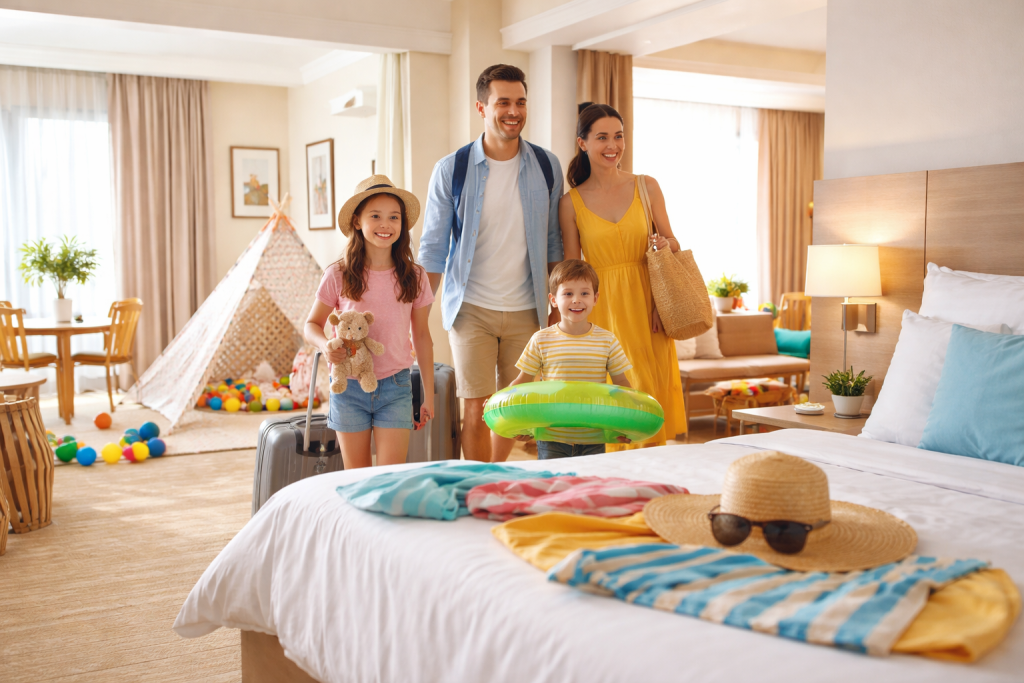
The Foundation: Spacious Accommodations for Families
When it comes to family travel, the concept of “space” takes on new meaning. It’s not just about having ample space to spread out; it’s about ensuring ample room for breathing, coexisting comfortably, and accommodating the natural fluctuations of family life. Especially with luggage, multiple people, and the general clutter of travel, a cramped hotel room can quickly become a source of stress.
Beyond the Standard Room: Suite Options and Adjoining Rooms
Many family-friendly hotels understand the limitations of standard rooms. This is where suite options and adjoining rooms play a crucial role.
Suites as Private Havens
A suite can offer a significant advantage. These accommodations typically feature separate living areas from sleeping areas. This separation is invaluable. It allows parents to relax in the living room after children have gone to bed or provides a quiet zone for a child who needs a break from the main activity. Some suites even feature kitchenettes or full kitchens, which can significantly reduce dining expenses or accommodate specific dietary requirements for families. The kitchenette might hold a mini-fridge for snacks and drinks, a microwave for quick meals or heating baby bottles, and a sink. These elements transform a room from a mere sleeping space into a temporary home.
The Benefit of Adjoining Rooms
Adjoining rooms, or connecting rooms, offer another practical solution. This setup provides separate sleeping spaces for parents and children, offering a degree of privacy for both. It also allows for easy supervision of younger children while giving older children or teenagers a sense of independence. The connection between the rooms means that parents can be readily available without needing to navigate hallways, which is particularly reassuring for families with very young children. It’s like having two interconnected pods, allowing for autonomy within a shared family unit.
Furniture and Amenities Designed for Practicality
Beyond the basic room type, the furnishings and amenities within the room can significantly impact a family’s comfort.
Sleeping Arrangements for All Ages
Look for hotels that offer various sleeping arrangements. This might include rooms with two queen beds or options for rollaway beds or cribs. The availability of these items, often at no extra charge, can make the difference between an uncomfortable night and a restful one. Consider the age of your children. Infants will require a crib, while younger children might be content with a twin bed or a pull-out sofa. Older children and teenagers may prefer separate beds, making adjoining rooms or suites with multiple bedrooms the ideal choice.
In-Room Storage and Workspace
Adequate storage is another often overlooked but vital aspect of family accommodation. With multiple people’s belongings, plus toys, books, and travel gear, a lack of closet space or drawers can lead to clutter and frustration. Hotels that provide substantial closet space, shelves, and perhaps even a small desk area can help maintain order. A desk can also serve as a functional workspace for parents who may need to catch up on emails or plan the next day’s activities, ensuring that work doesn’t encroach on family time.
Entertainment and Engagement: Kid-Friendly Amenities and Activities
A family-friendly hotel understands that downtime is a crucial part of a vacation, and for children, it often translates to needing entertainment. The best hotels go beyond simply providing a bed; they offer a range of amenities and activities designed to keep younger guests happy and engaged, freeing up parents to relax or participate alongside them.
Dedicated Play Areas and Recreational Facilities
The presence of dedicated spaces for children’s recreation is a strong indicator of a family-focused establishment.
Swimming Pools: More Than Just a Dip
The swimming pool is often the centerpiece of a family’s hotel experience. For a family-friendly hotel, this means more than just a standard lap pool.
Splash Pads and Shallow Zones
Many hotels now feature dedicated splash pads or zero-entry kiddie pools. These areas are designed for very young children, offering water features like gentle fountains and sprayers in a shallow, safe environment. This allows toddlers and preschoolers to enjoy the water without the potential risks associated with deeper pools. The shallow zones in larger pools also provide a safe space for younger swimmers to play under closer supervision.
Water Slides and Interactive Features
Water slides, lazy rivers, or interactive water play structures can transform a pool area into a mini water park for older children and those with a youthful spirit. These features add an element of excitement and adventure, providing hours of entertainment. The presence of lifeguards or adequate staff in these areas is also a key consideration for parents.
Playgrounds and Indoor Playrooms
Outdoor playgrounds equipped with swings, slides, and climbing structures are a classic amenity that allows children to burn off energy. These are particularly valuable for travel during warmer months. In areas with less predictable weather, indoor playrooms can be a lifesaver. These spaces might feature soft play equipment, climbing walls, or creative areas with craft supplies, offering a safe and engaging environment for indoor fun.
Organized Activities and Entertainment Programs
Beyond static facilities, well-organized activities can elevate a family’s stay.
Kids’ Clubs Supervised Programs
Many hotels offer supervised kids’ clubs, which provide structured activities for different age groups. These clubs can range from arts and crafts sessions and themed games to movie screenings and treasure hunts. This type of entertainment type of entertainment is a fantastic way for children to socialize with peers and enjoy engaging activities while parents have some personal time, perhaps to enjoy a quiet meal or a spa treatment. The key is to ensure these programs are age-appropriate and offer a good balance of supervised fun and free play.
Family-Oriented Entertainment
Some hotels also organize nightly family entertainment, such as live music, magic shows, or cultural performances. These events can be a pleasant way to spend an evening together, creating shared memories and providing a relaxed form of entertainment that appeals to various ages. The goal is to provide opportunities for families to enjoy time together in a fun and accessible way.
Culinary Delights for the Whole Troupe: Family-Friendly Dining Options
Mealtimes can be a major source of both joy and stress during family travel. A truly family-friendly hotel understands this and offers dining solutions that cater to diverse palates, dietary needs, and budget considerations, transforming what could be a challenge into a pleasant part of the day.
On-Site Restaurants Designed for Families
Families often turn to the hotel’s restaurants as their first choice, making their suitability crucial.
Children’s Menus with Variety and Healthy Choices
The hallmark of a family-friendly restaurant is a well-thought-out children’s menu. This menu should offer more than just the standard fried chicken nuggets and fries. Look for options that include healthier alternatives like grilled chicken, fish, pasta with vegetables, or fruit. Variety is also key, allowing children to choose something they genuinely enjoy. The ability to customize or swap sides can also be a significant plus.
Casual Dining Atmosphere and Quick Service
A noisy, bustling atmosphere can often be more accommodating for families with young children than a quiet, formal setting. Restaurants with a more casual vibe, where a dropped fork or a child’s excited chatter doesn’t draw disapproving glances, are ideal. Quick service is another important factor. Children’s patience for waiting for food can be limited, so efficient service ensures that meals are delivered promptly, minimizing fuss.
Flexibility and Convenience Beyond the Restaurant
Family dining extends beyond the traditional sit-down restaurant experience. Hotels that offer flexible options can significantly enhance a family’s comfort.
Room Service with Family-Focused Options
Room service can be a godsend, especially after a long day of sightseeing or when children are tired. A family-friendly room service menu often includes items that are easy to eat in a room and, importantly, offers the same kid-friendly options found in the on-site restaurants. The convenience of having meals delivered directly to the room, allowing families to dine in pajamas if they wish, is a highly valued amenity.
Buffets and Grab-and-Go Options
Buffet dining can be an excellent choice for families. The sheer variety of food allows everyone to find something they like, and children can often be supervised as they choose their meals, fostering a sense of independence. It also allows for quick service, as food is readily available. Hotels that offer grab-and-go options, such as a cafe or market with pre-made sandwiches, salads, and snacks, are also incredibly useful for families on the move, whether heading out for the day or returning after a busy excursion. These options serve as essential fuel stops.
Catering to Special Dietary Needs
In today’s world, accommodating dietary restrictions and allergies is not just a courtesy but a necessity.
Allergen Awareness and Customization
Family-friendly hotels and their restaurants understand the importance of allergen awareness. They should be able to clearly indicate common allergens on their menus and be willing to accommodate requests for modifications. Whether it’s gluten-free, dairy-free, or nut allergies, clear communication and knowledgeable staff are key to guaranteeing a safe and enjoyable dining experience for all family members.
Healthy Options for All Ages
This extends beyond just children’s menus. Many adults also appreciate having access to healthier choices, such as fresh salads, grilled lean proteins, and whole grains. A hotel that offers a balanced range of options, catering to both indulgent cravings and health-conscious preferences, serves a broader spectrum of its guests, solidifying its reputation for thoughtful hospitality.
Proximity and Access: Convenient Location for Family Attractions
| Family Attraction | Distance from Location | Accessibility |
|---|---|---|
| Zoo | 2 miles | Accessible by public transportation |
| Amusement Park | 5 miles | Accessible by car or shuttle service |
| Museum | 1 mile | Walking distance |
One cannot overstate the significance of a hotel’s location for family travel. A prime location acts as a gateway, transforming the surrounding area into an extension of the hotel’s own amenities. Being close to family attractions reduces travel time, minimizes stress, and maximizes opportunities for exploration and enjoyment, making the vacation more about engaging with the destination and less about logistical hurdles.
Walking Distance to Key Destinations
The ideal scenario for many families is to be within walking distance of popular attractions.
Theme Parks and Entertainment Centers
If a city or resort is known for its theme parks, amusement centers, or major entertainment complexes, a hotel situated nearby offers unparalleled convenience. This proximity allows for spontaneous visits, longer stays at the attractions without the worry of long commutes, and the ability to return to the hotel for naps or breaks without losing significant time.
Museums, Parks, and Recreational Areas
Beyond large-scale entertainment venues, proximity to museums, interactive science centers, zoos, or even well-maintained city parks can be equally important. These locations often provide educational and engaging experiences for children of all ages. Being able to walk to these sites means that a quick morning visit or an afternoon outing is a feasible option.
Easy Access to Public Transportation
Even if attractions are not within walking distance, seamless access to public transportation is a crucial factor.
Bus Routes and Train Stations
A hotel located near major bus routes or train stations provides a cost-effective and often efficient way to reach various points of interest. This is particularly beneficial in larger cities where parking can be expensive and challenging. Families can hop on a bus or train, avoiding the stress of navigating unfamiliar roads and traffic.
Ride-Sharing and Taxi Services
While not always on-site, a hotel’s proximity to areas where ride-sharing services or taxis are readily available is also an advantage. This offers a flexible alternative for getting around, especially when traveling with multiple younger children or carrying strollers and bags.
Proximity to Essential Services
Beyond entertainment, convenient access to everyday necessities can greatly simplify family travel.
Grocery Stores and Pharmacies
Being able to quickly access a grocery store for snacks, drinks, or breakfast items, or a pharmacy for any unexpected needs, can save considerable time and money. These essential services can prevent minor inconveniences from becoming major disruptions.
Family-Friendly Dining and Shopping
A location that offers various family-friendly dining options and accessible shopping opportunities means that venturing out for meals or souvenirs is straightforward and enjoyable for everyone, without requiring extensive travel. This creates a more integrated and convenient experience.
Peace of Mind: Safety and Security for Families
For families, safety and security are not mere considerations; they are fundamental prerequisites for a comfortable and enjoyable stay. A hotel that prioritizes these aspects provides a foundational layer of reassurance, allowing parents to relax and focus on creating positive memories, knowing that their loved ones are protected.
Secure Environment and Access Control
The physical security of the hotel and its premises is paramount. This begins with controlled access and continues throughout the property.
Key Card Access and Surveillance
Hotels that utilize key card access for room entry, and ideally for access to specific floors or amenities like the pool, add a significant layer of security. Well-placed surveillance cameras in common areas, such as lobbies, hallways, and parking lots, also serve as a deterrent and can aid in ensuring guest safety. The visible presence of security personnel can further enhance this sense of security.
Childproofing and Hazard Mitigation
While not always explicitly advertised, hotels that consider childproofing in their design, particularly in common areas, demonstrate an awareness of family needs. This might include rounded corners on furniture in lobbies, secure fencing around pools, and clear signage for potential hazards. The absence of immediate tripping hazards and accessible, unsecured electrical outlets in common spaces contributes to a safer environment for curious little ones.
Well-Trained and Responsive Staff
The human element of safety is equally important. Staff with proper training can serve as the primary defense and provide immediate assistance.
Emergency Procedures and First Aid
Staff members should be trained in emergency procedures, including fire evacuation plans and basic first aid. Knowing that the hotel has protocols in place for medical emergencies or other critical situations provides significant peace of mind. The availability of on-site staff or a clear procedure for contacting emergency services quickly is a critical component.
General Observance and Assistance
Staff members who are attentive and observant can play a crucial role in identifying and addressing potential safety concerns. This includes being vigilant about unauthorized access to guest areas, monitoring crowded spaces, and being readily available to assist guests who may appear to be in distress or require help. A friendly, approachable staff can make a significant difference in a guest’s overall sense of security.
Health and Hygiene Standards
Maintaining high standards of cleanliness is inextricably linked to safety and well-being, especially for families.
Robust Cleaning Protocols
A family-friendly hotel will adhere to rigorous cleaning protocols, particularly in guest rooms and high-traffic areas. This includes regular sanitization of frequently touched surfaces, clean linens and towels, and well-maintained bathrooms. Visible cleanliness in public spaces instills confidence in the hotel’s commitment to guest health.
Access to Medical Assistance
While not always a guarantee, hotels that provide information on nearby medical facilities or emergency services, or have arrangements with local healthcare providers, offer an additional layer of security for families. Knowing where to turn in case of illness or injury is a vital consideration for any traveler.
Maximizing Value: Special Offers and Packages for Families
The cost of family travel can add up quickly, making “value” a significant factor in hotel selection. Family-friendly hotels often recognize this and strategically create special offers and packages designed to provide enhanced experiences and cost savings for families, turning a trip from a financial strain into a more manageable and enjoyable endeavor.
Bundled Deals for a Complete Experience
Package deals are a common and effective way for hotels to attract families by bundling services and amenities.
Accommodation and Attraction Tickets
One of the most popular types of packages combines accommodation with tickets to local attractions, such as theme parks, museums, or zoos. This can offer a significant discount compared to purchasing these items separately, simplifying itinerary planning and budgeting. The convenience of having everything arranged in one booking is a major draw for busy families.
Dining Credits or Meal Plans
Packages that include dining credits or all-inclusive meal plans can be very appealing. This allows families to better manage their food budget and, in the case of meal plans, removes the daily decision-making around where and what to eat. This can lead to considerable savings, especially for families with hearty appetites or specific dining preferences.
Seasonal Promotions and Holiday Specials s
Hotels frequently tailor their offers to coincide with school holidays and peak travel seasons.
Summer Vacation Packages
During summer, hotels might offer packages that include free breakfast, discounted pool access, or even complimentary kids’ club access. These deals are designed to capitalize on the influx of families looking for vacation opportunities during school breaks.
Holiday and Event-Specific Offers
Around major holidays or during local festivals and events, hotels may release special packages that include themed amenities, entertainment, or proximity to event venues. These can enhance the festive spirit of a family trip and provide a memorable experience tied to a specific time or occasion.
Loyalty Programs and Family Perks
For frequent travelers, loyalty programs can offer significant additional benefits for families.
Enhanced Room Amenities or Upgrades
Loyalty program members may be eligible for complimentary room upgrades, late check-out times, or added amenities such as free in-room movies or Wi-Fi, which can be particularly valuable when traveling with children.
Exclusive Discounts for Members
Many hotel loyalty programs offer exclusive discounts on rooms, dining, or other hotel services for their members. This can translate into tangible savings over time, making repeat stays more attractive and affordable for families.
Empowering Your Choice: Tips for Choosing the Best Family-Friendly Hotel
Selecting the right hotel is akin to selecting the right anchor for your family’s voyage. It requires careful consideration of various factors to ensure a smooth and enjoyable journey. Armed with the right approach, you can navigate the vast array of options and find lodging that perfectly suits your family’s needs.
Research and Reviews: Listening to Other Families
The experiences of other families who have stayed at a hotel can provide invaluable insights. Online review platforms are a treasure trove of information. Look for reviews specifically from families, paying attention to comments about room size, cleanliness, the quality of kids’ amenities, and the helpfulness of staff. Filter reviews by traveler type to focus on those with similar family compositions and needs.
Prioritize Your Family’s Needs
Every family is unique, with its own set of priorities and preferences. Before you even start searching, take stock of what is most important for your family’s trip.
Age Appropriateness of Amenities
Consider the ages of your children. What might be perfect for a family with toddlers—like a shallow pool and a gentle playground—might be less engaging for teenagers who are looking for more active or adventurous options. Conversely, a hotel focused on older children might overlook the needs of the very young.
Balancing Cost and Features
Determine your budget and what features are non-negotiable. It’s about finding the sweet spot between affordability and the amenities that will truly enhance your family’s experience. Sometimes, paying a little more for a hotel with a fantastic kids’ club or spacious suites can lead to a much more relaxed and enjoyable vacation for everyone, ultimately proving to be good value.
Location, Location, Location: Aligning with Your Itinerary
The hotel’s location should seamlessly integrate with your planned activities. As discussed, being close to attractions, public transport, or essential services can significantly reduce travel time and stress.
Proximity to Attractions
If your primary goal is to visit a specific theme park or a cluster of museums, prioritize hotels within easy reach. This proximity minimizes travel fatigue for everyone, especially the youngest members of the family, and maximizes your time spent enjoying the destination.
Access to Local Amenities
Consider what local amenities are important for your family. Need easy access to grocery stores for snacks? Traveling with a baby and want to be close to a pharmacy? Researching the surrounding area around potential hotels can reveal their practical advantages.
Understanding the Fine Print: Policies and Hidden Costs
Before booking, it is essential to thoroughly understand the hotel’s policies and be aware of any potential hidden costs.
Cancellation Policies
Family travel plans can sometimes change unexpectedly. Understanding the hotel’s cancellation policy is crucial to avoid financial penalties if you need to alter your booking.
Extra Fees and Charges
Inquire about additional fees that may not be immediately apparent, such as charges for cribs, rollaway beds, resort fees, or parking. These costs can add up and impact your overall budget. Clarifying these details upfront can prevent unwelcome surprises.
By taking a considered and systematic approach, you can confidently select a family-friendly hotel that will serve as the perfect home base for creating cherished family memories. The right choice is not just about a room; it’s about setting the stage for a successful and happy family adventure.