
Family Travel Essentials
Family travel comes with special obstacles and rewards. Successful trips often hinge on thorough preparation, especially regarding gear. This guide offers recommendations and strategies for equipping your family for various travel scenarios.
Packing Strategies for Family Travel
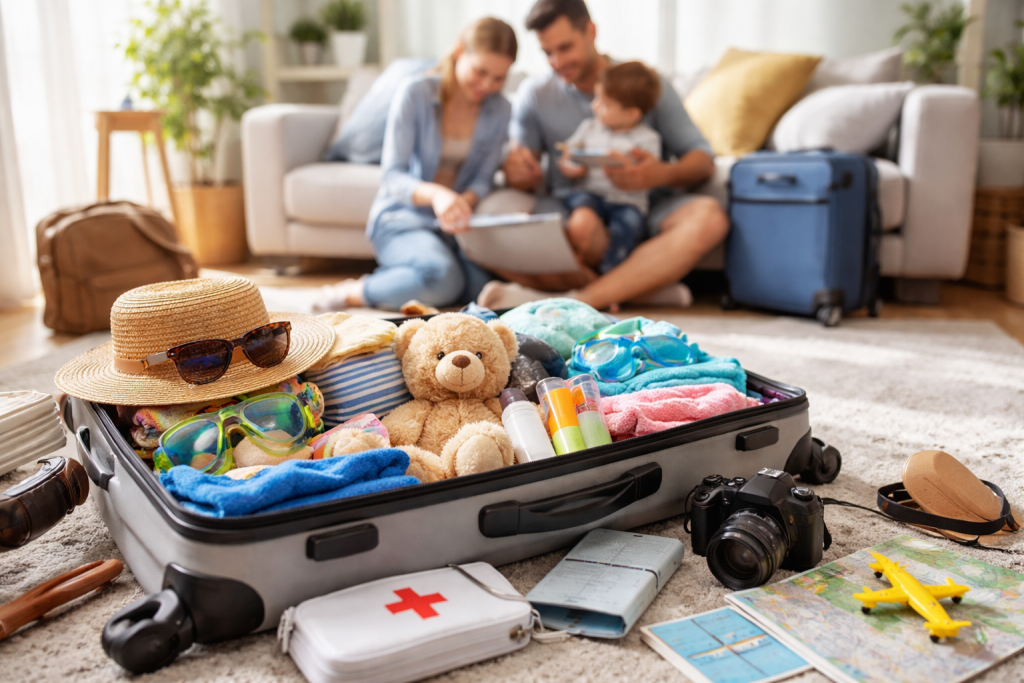
Efficient packing is crucial for family trips. Overpacking leads to heavy bags and airport struggles, while underpacking can leave essential items behind. The key is to pack smart, not just light. Consider the duration of your trip, the climate of your destination, and the age of your children.
The “Less is More” Approach
Resist the urge to pack for every conceivable scenario. Focus on versatile items. For clothing, choose pieces that can be layered and mixed and matched. Three outfits for each family member, plus pajamas and swimwear if applicable, often suffice for a week. Laundry facilities are increasingly common in accommodations or can be sought out. Think of your luggage as a finite vessel; every item must justify its place.
The Capsule Wardrobe for Kids
For children, a capsule wardrobe simplifies packing. Select a few core pieces—two bottoms and three tops—that all coordinate. Add an outer layer and pajamas. This reduces decision fatigue for both parents and children and minimizes the volume of clothing. Stains are inevitable with children. Consider darker colors or patterns that camouflage minor marks.
Grouping and Organizing
Utilize packing cubes or compression bags. These are invaluable for separating clothes by family member, outfit, or item type. This not only keeps luggage tidy but also makes finding specific items easier without rummaging through an entire suitcase. For younger children, designate a small bag for their favorite toys or comforts. This allows them to access their items without disturbing the main luggage.
Must-Have Gear for Traveling with Kids
Certain items consistently prove indispensable when traveling with children. These are the anchors of your travel arsenal.
Strollers and Carriers
The choice between a stroller and a baby carrier depends on the child’s age, destination, and activity level. For infants and toddlers, a lightweight, compact stroller that folds easily is a significant asset, especially in airports or crowded areas. Umbrella strollers are often suitable for older toddlers. Baby carriers, particularly ergonomic options, are excellent for hands-free mobility, hiking, or navigating challenging terrain where strollers are impractical. Some families find both beneficial, employing a stroller for longer walks and a carrier for quick errands or comfort.
Car Seats and Boosters
Safety is paramount, and proper car restraints are non-negotiable. Research car seat rental options from car rental companies beforehand, but consider bringing your own if you are particular about its cleanliness or fit. Many airlines allow car seats to be checked for free. For older children, a travel-friendly booster seat can be a space-saving alternative to a full car seat. In some jurisdictions, ride-sharing services may offer car seat options, but verification is essential.
Portable Sleep Solutions
Maintaining a consistent sleep routine is beneficial for children. For infants, a portable travel crib or bassinet provides a safe and familiar sleep environment. For toddlers transitioning out of cribs, an inflatable travel bed or a sleeping mat can be a good solution. Ensure any chosen solution meets safety standards and is easy to set up and pack down. Familiar bedding, like a favorite blanket or small pillow, can also aid in comfort and sleep.
Essential Items for Family-Friendly Accommodations
Even with the best accommodations, a few personal touches and specific items can enhance the family’s comfort and ease.
Kitchenette Essentials
If your accommodation includes a kitchenette, bringing a few basic cooking tools can save money and provide healthier meal options. A small pot, a frying pan, and essential utensils like a spatula and can opener are often sufficient. Don’t forget reusable containers for leftovers and snacks. This can be particularly useful for managing dietary restrictions or for providing familiar foods for picky eaters.
Entertainment for Downtime
While exploring is a primary goal, downtime in accommodation is inevitable. Pack a selection of small, quiet activities: coloring books, crayons, sticker books, a deck of cards, or travel-sized board games. A tablet loaded with age-appropriate movies or educational apps can also be a valuable tool for quiet time or during travel legs. Remember headphones for individual use.
Bathroom Amenities and Comforts
Beyond basic toiletries, consider bringing a small bottle of child-friendly soap or shampoo if your children have sensitive skin. A nightlight can be comforting in unfamiliar rooms. A small first-aid kit, detailed in a later section, should also be readily accessible in the accommodation. Familiar washcloths or a favorite bathtub toy can make bath time more enjoyable.
Keeping Kids Entertained on the Go
| Activity | Duration | Materials Needed |
|---|---|---|
| Coloring | 30 minutes | Coloring book, crayons |
| Storytelling | 20 minutes | Storybook |
| Word games | 15 minutes | Word search, crossword puzzles |
| Snack time | 10 minutes | Healthy snacks |
| Music and sing-along | 25 minutes | Portable music player |
Travel days, especially long flights or car journeys, can test patience. Proactive entertainment strategies are vital.
Airplane and Car Activities
For air travel, engage children with new, small toys or books. Wrap them individually to create a “present” effect, prolonging engagement. Sticker books, magnetic drawing boards, and non-messy crafts are effective. For car travel, audiobooks, podcasts, and travel games like “I Spy” can keep minds engaged. Frequent breaks are crucial for children to stretch and release energy. The journey itself can be an adventure if framed correctly.
Tech and No-Tech Integration
Balance screen time with traditional activities. While tablets and portable gaming devices offer undeniable distraction, incorporating physical books, drawing supplies, and interactive games encourages creativity and reduces potential screen fatigue. Establish clear guidelines for screen use to manage expectations and avoid conflicts. Pack power banks and chargers for all devices.
Snack Management
Hunger can escalate quickly with children. Pack a variety of healthy, non-perishable snacks. Consider items like fruit snacks, granola bars, crackers, and pre-portioned nuts (if no allergies). A reusable water bottle for each family member is also essential. This not only saves money but also ensures hydration and reduces reliance on unhealthy options. Think of snacks as fuel—consistent top-ups keep the engine running smoothly.
Safety and Health Essentials for Family Travel

Prioritizing safety and health ensures a smoother and more secure family trip. This preparation acts as a safety net, catching potential problems before they become major issues.
Comprehensive First-Aid Kit
A well-stocked first-aid kit is non-negotiable. Include Band-Aids in various sizes, antiseptic wipes, pain relievers (ibuprofen/acetaminophen) for both adults and children, allergy medication, hydrocortisone cream for bug bites or rashes, and any prescription medications your family members require. Include a thermometer, tweezers, and small scissors. Consider motion sickness medication if anyone is prone to it. Keep this kit easily accessible, not buried in luggage.
Identification and Emergency Information
Ensure all family members, especially children, have some form of identification. Consider ID bracelets for younger children with contact information. Carry copies of passports, birth certificates, and vaccination records, both physical and digital. Create a list of emergency contacts, including pediatricians and local embassy information if traveling internationally. This information is your compass in unforeseen circumstances.
Sun Protection and Insect Repellent
Depending on your destination, powerful sun protection is vital. Pack broad-spectrum sunscreen with an SPF of 30 or higher, wide-brimmed hats, and UV-protective clothing. Insect repellent, particularly with DEET or picaridin, is important for areas with mosquitoes or other biting insects. Apply repellent according to directions, especially for children. Mosquito nets for strollers or beds can be useful in high-risk areas.
Water Safety
If your travel includes water activities, ensure children have appropriate life vests that fit correctly. Supervise children closely around pools, lakes, and oceans. Understand local water conditions, including currents or potential hazards. For younger children, consider a portable toddler safety harness for crowded areas, preventing them from wandering off.
Tips for Stress-Free Family Travel
While unpredictability is inherent in travel, proactive measures can significantly reduce stress. Think of these tips as lubricant for the travel machine, ensuring smoother operation.
Involve Children in Planning
Children who feel a sense of ownership over the trip often exhibit more cooperation. Involve them in age-appropriate aspects of planning, such as choosing an activity for one day, packing their own small backpack with personal items, or selecting snacks. This fosters excitement and reduces resistance.
Manage Expectations
Travel with children rarely goes perfectly to plan. There will be delays, meltdowns, and unexpected challenges. Embrace flexibility and cultivate patience. Rather than striving for perfection, aim for connection and shared experiences. Acknowledge that the pace of travel will be slower with children. Adjust your itinerary accordingly, allowing for extra time and spontaneous stops.
Delegate and Rotate Responsibility
Share the workload with your partner or other adults traveling with your family. One parent can manage luggage while the other supervises children. Rotate responsibilities for mealtimes, bedtime routines, and entertainment. This prevents burnout and ensures both parents can enjoy the trip.
Pre-Book and Research
Whenever possible, pre-book flights, accommodations, and key attractions. This reduces uncertainty and saves time, especially valuable when traveling with children. Research family-friendly activities, restaurants with kids’ menus, and local transportation options. Look for accommodations that offer amenities like cribs or play areas. Knowledge is power, and in family travel, it’s a shield against stress.
This comprehensive approach to family travel essentials aims to equip families for diverse journeys, fostering memorable experiences over logistical anxieties. By focusing on practical gear, strategic packing, and proactive planning, families can navigate the complexities of travel with greater ease and enjoyment.