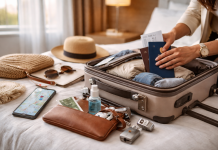

Family travel presents unique logistical demands. Efficient packing is a cornerstone of a smoother journey for parents and children alike. This article provides a comprehensive guide to organizing travel essentials, aiming to streamline the packing process and reduce associated stresses.

Pre-Trip Planning and Preparation
Packing effectively starts long before you open a suitcase. Strategic pre-trip planning simplifies the entire process. Consider your destination, the duration of your trip, and the activities planned. These factors dictate the volume and type of items required.
Research Your Destination
Investigate the climate and typical weather patterns for your travel dates. This prevents packing excessive or insufficient clothing. Are laundry facilities available? Knowing such information can significantly reduce the number of outfits needed. Research local grocery stores or pharmacies; readily available essentials like diapers or baby food might negate the need to pack them. Understand any accommodation limitations, such as a lack of cribs or specific kitchen amenities.
Involve the Children
While a parent ultimately packs the main bags, involving older children in some decisions can increase their sense of ownership and reduce complaints. Allow them to select a few favorite toys or books. This teaches them about responsible packing and limits unnecessary items. For younger children, designate a small backpack for their personal items, allowing them to carry a sense of independence and entertainment.
Create a Master List
A master packing list is your navigational chart for the packing voyage. Begin this list several weeks before departure. Break it down into categories such as clothing, toiletries, medical, entertainment, and documents. As you think of items, add them. This iterative process prevents last-minute forgotten essentials. A digital list on a phone or tablet offers flexibility and allows for easy modification and reuse for future trips.
Clothing and Personal Care Essentials
Clothing and personal care items form the bulk of most travel luggage. Careful selection and organization are crucial to avoiding overpacking and ensuring comfort. Remember the “less is more” adage, particularly with children’s clothing.
Layering for Versatility
Instead of bulky garments, prioritize versatile layers. A base layer, a mid-layer, and a waterproof outer layer provide adaptability for fluctuating temperatures without consuming excessive space. Choose quick-drying fabrics where possible, especially for children who are prone to spills and unexpected dampness. This procedure allows for fewer items and easier washing if laundry facilities are accessible.
Outfit Planning
For each family member, plan complete outfits for each day, plus one or two extra for emergencies. This systematic approach prevents arbitrary packing and reduces the likelihood of carrying unused clothing. For children, consider individual Ziploc bags for each outfit, including underwear and socks. This simplifies dressing each morning and keeps dirty laundry separate.
Toiletries: The Family Cache
Consolidate toiletries where possible. Use travel-sized containers for shampoo, conditioner, and body wash. Many hotels supply basic toiletries, which can further reduce items. Pack child-specific items like tear-free shampoo or special lotions in travel-sized portions. Remember sun cream, insect repellent, and lip balm, especially for outdoor destinations. A dedicated waterproof toiletry bag prevents leaks from affecting other packed items.
Health, Safety, and Documentation
These categories represent the safety net of family travel. Overlooking these can lead to significant disruption and stress. You hope to never use these items, but you’ll be glad to have them if you do.
The Family First-Aid Kit
A well-stocked first-aid kit is non-negotiable. Include pain relievers (child and adult doses), bandages of various sizes, antiseptic wipes, allergy medication, motion sickness remedies, and any prescription medications. Always carry prescription medications in their original containers with clear labels. Consider specialized items like children’s fever reducers, rehydration salts, and a thermometer.
Essential Documents
Gather all critical documents into a single, easily accessible folder. This includes passports, visas, birth certificates (for children, especially for international travel), travel insurance policies, accommodation bookings, flight itineraries, and rental car agreements. Keep digital copies on a cloud service or encrypted USB drive as a backup. A small, waterproof pouch within your carry-on is ideal for these precious papers.
Child Safety Considerations
Depending on the age of your children and your destination, consider child safety items. Car seats or booster seats are often a primary concern; verify if your rental car agency provides them or if bringing your own is more practical. Portable bed rails, outlet covers, and baby monitors might be relevant for infants and toddlers, depending on the accommodation. Research the specific safety standards of your destination regarding car seats if you opt to rent them.
Entertainment and Comfort on the Go
| Category | Metrics |
|---|---|
| Entertainment | Number of movies available |
| Comfort | Seat pitch (in inches) |
| Entertainment | Availability of Wi-Fi |
| Comfort | Reclining angle of seats |
| Entertainment | Number of music channels |
Keeping children entertained and comfortable during transit and downtime is vital for a peaceful journey. A distracted child is often a happy one. Pack items that offer variety and portability.
In-Transit Diversions
For flights or long car rides, a dedicated “activity bag” is invaluable. Include small, new toys, coloring books and crayons, sticker books, puzzle books, and age-appropriate reading material. Portable electronic devices loaded with movies, games, or audiobooks can be lifesavers, but remember chargers and power banks. Headphones are essential for consideration of fellow travelers.
Comfort Items
A familiar blanket, a favorite stuffed animal, or a pacifier can provide emotional anchors for young children in unfamiliar environments. These small items offer a sense of security and can aid in sleep. For older children, a comfortable travel pillow can make a significant difference during long journeys. Small, comforting items act as a bridge between home and the new environment.
Snacks and Hydration
Pack an ample supply of shelf-stable snacks, especially those your children enjoy. Travel often involves unpredictable meal schedules or limited healthy options. Granola bars, fruit snacks, crackers, and dried fruit are excellent choices. A reusable water bottle for each family member is cost-effective and environmentally friendly. Confirm airport security regulations on liquids before packing.
Packing Strategies and Organization
The “how” of packing is as important as the “what.” Efficient packing strategies maximize space, prevent damage, and simplify retrieval of items.
The Art of the Roll
Rolling clothes tightly rather than folding them saves space and minimizes wrinkles. This method is particularly effective for t-shirts, underwear, and lighter garments. It also helps categorize items within the suitcase. Visualize your suitcase as a puzzle, with each rolled garment serving as a snugly fitting piece.
Packing Cubes: Your Organizational Allies
Packing cubes are game-changers for family travel. Assign a different color or size cube to each family member, or categorize items (e.g., all tops in one cube, all bottoms in another). This eliminates rummaging through an entire suitcase. When you arrive at your destination, simply transfer the cubes to drawers, turning your suitcase into a mobile dresser. They act as compartmentalized drawers within your luggage.
Weight Distribution and Bag Types
Evenly distribute weight across suitcases to avoid imbalance and potential damage. Place heavier items at the bottom near the wheels. Consider the type of luggage suitable for your trip. Wheeled suitcases are convenient for airports, while backpacks might be better for destinations with uneven terrain. For carry-on bags, ensure they adhere to airline size and weight restrictions—these are your essential lifelines during transit. A backpack for each child, containing their entertainment and comfort items, lessens the load on parents.
Last-Minute Essentials
Keep a small bag or pouch accessible for items you will need immediately upon arrival or during transit. This might include toothbrushes, face wipes, a change of clothes for spills, or important documents. This accessory is your “grab and go” kit, preventing the urgent excavation of a fully packed suitcase upon reaching your destination or during a long layover.
Efficient packing transforms a potentially chaotic family trip into a manageable adventure. By meticulously planning, thoughtfully selecting items, and employing smart organizational strategies, parents can navigate the complexities of travel with children with greater ease and focus on creating lasting memories.